Air ·
Germany Blames Russia for Explosive Drone Attack on Leipzig Airport
German authorities have concluded that Russia was responsible for a recent drone attack at Leipzig/Halle Airport, highlighting ongoing tensions and the evolving drone warfare landscape.
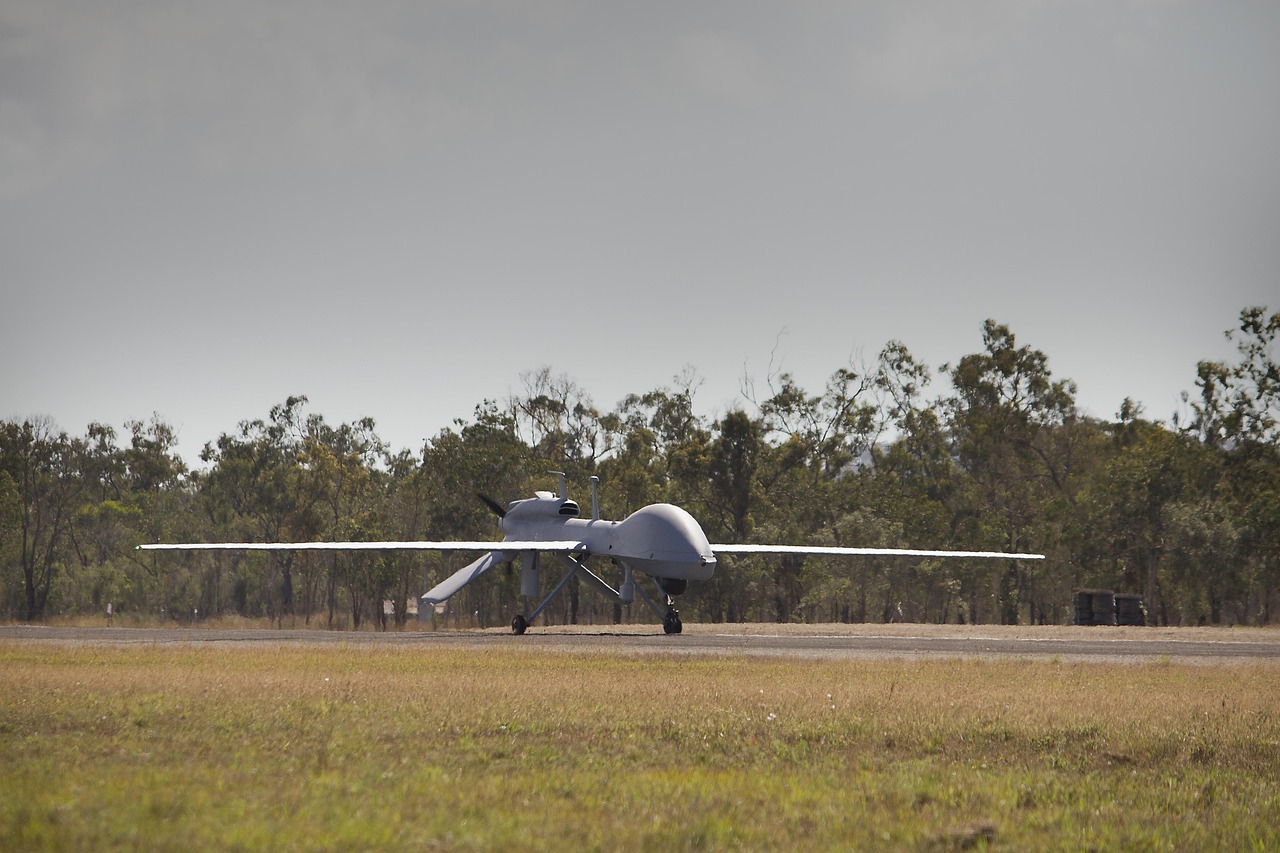
The investigation by German authorities into the August drone attack on Leipzig/Halle Airport has led to the conclusion that Russia was behind the failed operation. This incident is emblematic of a broader trend of drone warfare being employed in geopolitical conflicts, where unmanned aerial vehicles (UAVs) are increasingly utilized for both surveillance and direct attacks. The use of such technology raises significant concerns about security and the potential for escalation in the region.
The Leipzig/Halle Airport is a critical logistics hub in Europe, and the attack, which involved explosives, marked a dangerous escalation in tactics used by state actors. The incident serves as a stark reminder of the vulnerabilities faced by civilian infrastructure in modern warfare. As drone technology becomes more accessible, the potential for similar attacks is likely to rise, prompting nations to reassess their defensive strategies.
Germany's response to this incident will likely involve enhanced air defense measures and increased collaboration with NATO allies to address the evolving drone threat. The integration of advanced drone detection and interception systems will be crucial in safeguarding key infrastructure in the face of these emerging threats. Additionally, this incident may spur further discussions on international regulations surrounding the use of drones in conflict zones.
The ramifications of this incident extend beyond immediate security concerns; they also highlight the geopolitical implications of drone warfare. As nations like Russia continue to develop and deploy advanced UAVs, the balance of power may shift, compelling countries such as Germany to invest heavily in their own drone capabilities. This scenario underscores the need for robust defense strategies that incorporate both manned and unmanned systems to counteract potential threats effectively.