Air ·
German Startup TYTAN Introduces Rocket-Boosted Interceptor Drone
TYTAN Technologies has unveiled a new rocket-boosted interceptor drone designed to counter aerial threats with increased range and speed.
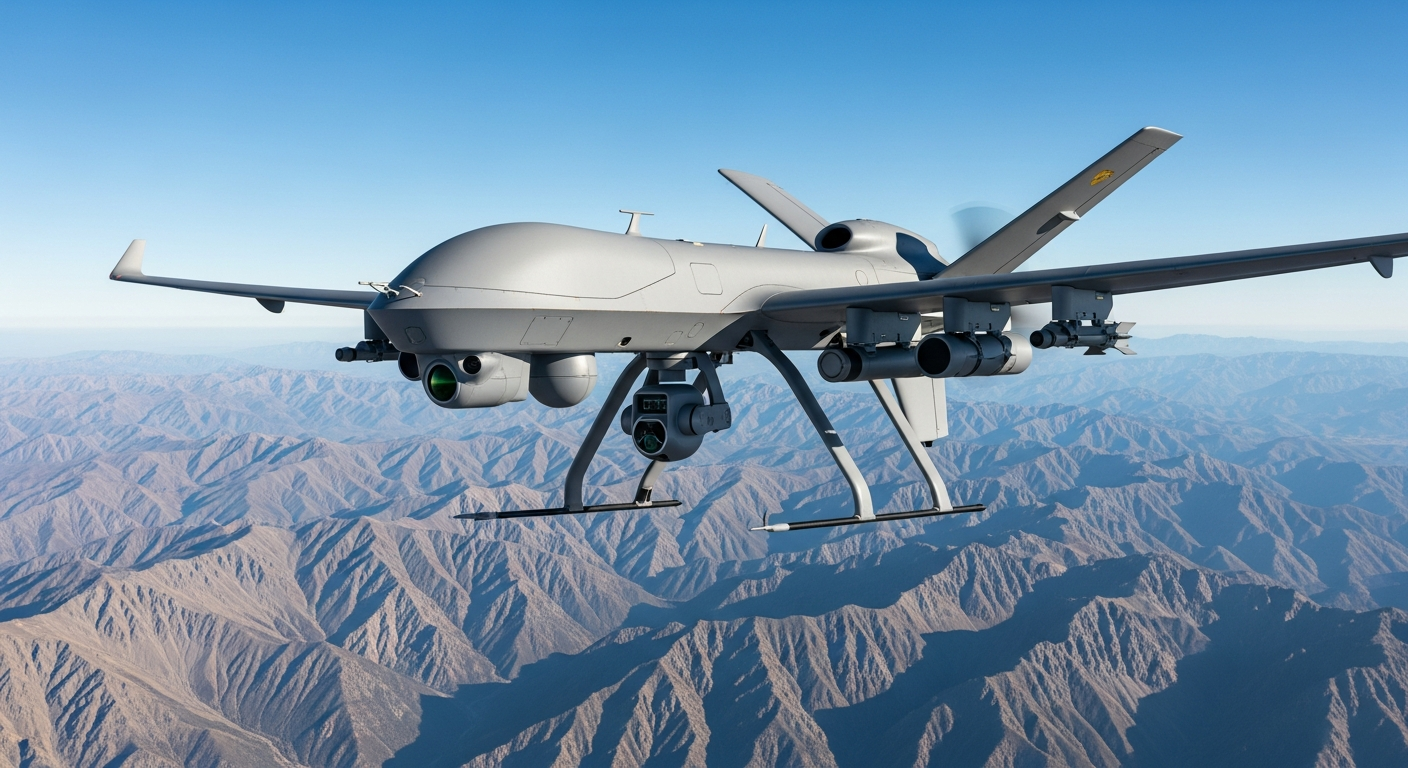
In a notable advancement in counter-drone technology, Munich-based startup TYTAN Technologies has introduced a new rocket-boosted interceptor drone. This innovative system aims to enhance the ability to engage aerial threats, boasting greater range and speed compared to traditional interceptors. The development comes at a time when nations are increasingly concerned about the proliferation of drone threats, both on the battlefield and within civilian airspace.
The rocket-boosted interceptor drone represents a new category of counter-drone systems that prioritize rapid response capabilities. With its enhanced speed, the drone can quickly reach and neutralize threats before they can cause harm. This capability is particularly critical as adversaries continue to develop more sophisticated drone technologies, necessitating equally advanced countermeasures to protect airspace and strategic assets.
TYTAN Technologies' demonstration of this system to the German Federal Cabinet signifies the growing recognition of the importance of drone defense as part of national security strategies. As military and civilian sectors face increasing drone-related risks, the introduction of reliable interceptor drones could play a vital role in safeguarding against these emerging threats. The German government’s interest in such technologies underscores the urgency of developing effective countermeasures to maintain air superiority.
Furthermore, the interceptor drone's design and capabilities may pave the way for future innovations in aerial defense systems. As drone technologies evolve, the need for adaptable and responsive counter-drone solutions will become increasingly vital. The focus on speed and range in TYTAN's interceptor could inspire similar developments in other countries, reflecting a global trend towards enhancing aerial defense capabilities.
In conclusion, the introduction of TYTAN's rocket-boosted interceptor drone marks a significant step in countering aerial threats. As drone warfare continues to evolve, the ability to rapidly engage and neutralize threats will be crucial for maintaining security in both military and civilian contexts. Innovations like this will likely shape the future of aerial defense strategies as countries seek to protect their airspace from an ever-growing array of drone technologies.