Land ·
German Army Tests Ukraine’s DELTA Battle System: A New Era in Battlefield Management
The German army has recently conducted tests on Ukraine's DELTA battle management system, highlighting the integration of drones and sensors in modern warfare. This collaboration marks a significant step in military innovation and interoperability among NATO allies.
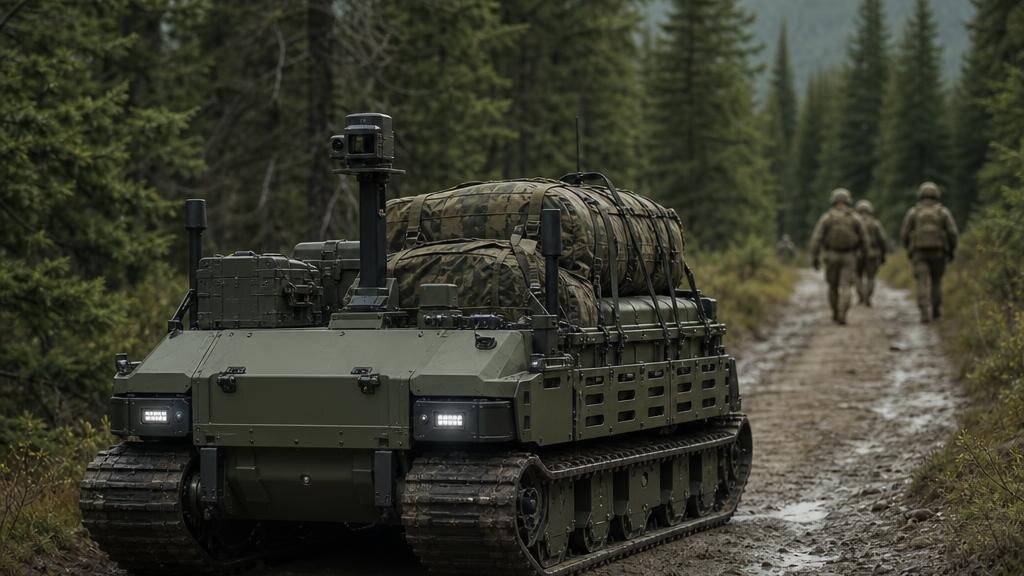
In a notable development for military technology, the German army has tested the DELTA battle management system developed by Ukraine, which integrates drones, sensors, and ground units to enhance battlefield coordination. This initiative was announced during the 37th meeting of the Ukraine Defense Contact Group in Brussels, where German Defense Minister Boris Pistorius emphasized the potential of incorporating DELTA into the Bundeswehr's operations. The collaboration between Ukraine and Germany represents a significant moment in military innovation, reflecting a growing trend of cooperation among NATO allies in the face of evolving security challenges.
The DELTA system, which stands for "Distributed Electronic Logistics and Tactical Assistance," is designed to provide real-time situational awareness and facilitate communication among various components on the battlefield. By linking unmanned aerial vehicles (UAVs) and ground forces, DELTA aims to streamline command and control processes, thereby improving operational efficiency. This system is particularly relevant in the context of the ongoing conflict in Ukraine, where rapid decision-making and adaptability have proven crucial. The integration of advanced technologies like DELTA into military operations underscores the necessity for forces to remain agile and responsive to dynamic threats.
One of the key features of DELTA is its ability to integrate various types of drones, including reconnaissance and combat UAVs, into a cohesive operational framework. This integration allows for a more dynamic response to threats, as units can share information and coordinate their actions in real-time. For instance, a reconnaissance drone can provide intelligence on enemy positions, which can then be relayed to ground troops and strike units for immediate action. This real-time data sharing not only enhances situational awareness but also enables commanders to make informed decisions rapidly, potentially altering the course of engagements on the battlefield.
However, the adoption of such advanced systems is not without challenges. The integration of DELTA into the German military's existing infrastructure poses logistical and technical hurdles. The Bundeswehr has faced criticism in recent years for its readiness and modernization efforts, and incorporating a new system like DELTA will require significant investment and training to ensure its effectiveness on the battlefield. Moreover, the successful implementation of DELTA will necessitate a cultural shift within the military, as personnel must adapt to new operational paradigms that rely heavily on technology and data-driven decision-making.
Additionally, the security of such systems is paramount, especially in light of the ongoing cyber threats faced by military networks. Ensuring that DELTA and its components are resilient against cyberattacks will be critical, particularly given the experience of Ukraine in dealing with Russian cyber operations. This aspect of security cannot be overlooked as nations increasingly rely on interconnected systems that could be vulnerable to exploitation. The potential for adversaries to disrupt or manipulate battlefield management systems raises important questions about the robustness of cybersecurity measures that must accompany the deployment of technologies like DELTA.
The strategic implications of DELTA extend beyond immediate battlefield applications. By testing and potentially adopting this system, Germany signals its commitment to supporting Ukraine in its defense efforts while also enhancing its own military capabilities. This partnership may pave the way for further collaboration in military technology, particularly in areas such as drone warfare and integrated command systems. As NATO allies increasingly recognize the value of shared technological advancements, the DELTA system could serve as a model for future initiatives that prioritize interoperability and collective defense.
As the German army explores the integration of DELTA, questions remain regarding the system's scalability and adaptability to different operational environments. While the initial tests show promise, the true measure of DELTA's effectiveness will come from its performance in real combat scenarios. Furthermore, the long-term sustainability of such technology will depend on ongoing support and development from both Ukrainian and German defense sectors. This collaborative approach could help ensure that DELTA evolves in response to emerging threats and operational lessons learned from its deployment.
Moreover, the testing of DELTA highlights a broader trend in military innovation where established militaries are increasingly looking to smaller nations for cutting-edge solutions. Ukraine's experience in real-time conflict has driven the development of practical and effective systems like DELTA, which can address the immediate needs of modern warfare. This paradigm shift not only enhances the capabilities of the receiving nations but also fosters a spirit of cooperation that can strengthen alliances in the face of common threats.
Overall, the testing of Ukraine's DELTA battle management system by the German army marks a significant step in the evolution of military operations. It reflects a broader shift towards advanced unmanned systems and integrated battlefield management, highlighting the need for continuous innovation in response to modern warfare's complexities. As NATO allies continue to navigate the challenges of contemporary conflicts, initiatives like the DELTA system will play a crucial role in shaping the future of military strategy and operations.