Air ·
General Atomics Introduces ‘Wildfire’ Drone as Next-Gen Reaper Successor
General Atomics has unveiled its latest drone design, named 'Wildfire', aimed at replacing the MQ-9A Reaper, showcasing advanced capabilities tailored for modern warfare.
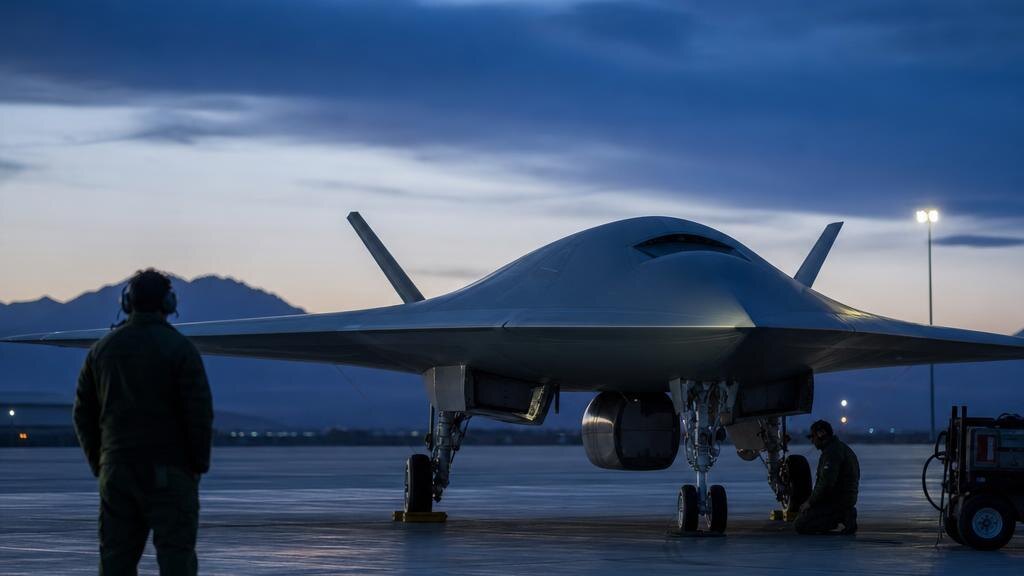
At a recent defense expo, General Atomics presented its new unmanned aerial vehicle, 'Wildfire', which is designed to succeed the widely used MQ-9A Reaper. This new drone is part of the Air Force's Massed Modular Aircraft program and is expected to exceed current Pentagon requirements. The Wildfire is engineered with enhanced payload capabilities and improved operational versatility, making it a formidable asset in both intelligence, surveillance, and reconnaissance (ISR) missions as well as strike operations.
The MQ-9A Reaper has long been a staple of U.S. air operations, primarily employed for its long endurance and precision strike capabilities. However, as the nature of combat evolves and threats become more complex, there is a pressing need for advancements in drone technology. The Wildfire aims to address these challenges by incorporating cutting-edge systems that enhance its range, sensor capabilities, and onboard intelligence, further solidifying the U.S. military's edge in unmanned aerial warfare.
Moreover, the development of the Wildfire reflects a broader trend within the defense industry toward modular and adaptable systems. As threats diversify, the ability to quickly reconfigure a drone's payload and mission profile becomes increasingly valuable. General Atomics is positioning the Wildfire to be a flexible platform that can integrate various munitions and sensor packages, allowing for rapid responses to dynamic battlefield conditions.
In the context of international military trends, the introduction of the Wildfire also underscores the U.S. commitment to maintaining aerial superiority. Other countries are rapidly advancing their own drone capabilities, making it essential for the U.S. to stay ahead through innovation and technological advancements. The Wildfire, with its anticipated operational capabilities, is set to play a crucial role in future U.S. military engagements and deterrent strategies.
As the Wildfire progresses through testing and development phases, its performance metrics will be closely watched by military analysts and defense contractors alike. Success in these trials could lead to wider adoption across various branches of the U.S. armed forces, as well as potential international sales to allied nations seeking to modernize their drone fleets. The Wildfire represents a significant step forward in the evolution of unmanned systems, ensuring that the U.S. remains at the forefront of drone warfare technology.