Air ·
General Atomics CCA Drone Wingman Prototype Crashes Following Takeoff
A prototype of the General Atomics CCA drone wingman experienced a crash shortly after takeoff, raising concerns about the reliability of unmanned systems in operational environments.
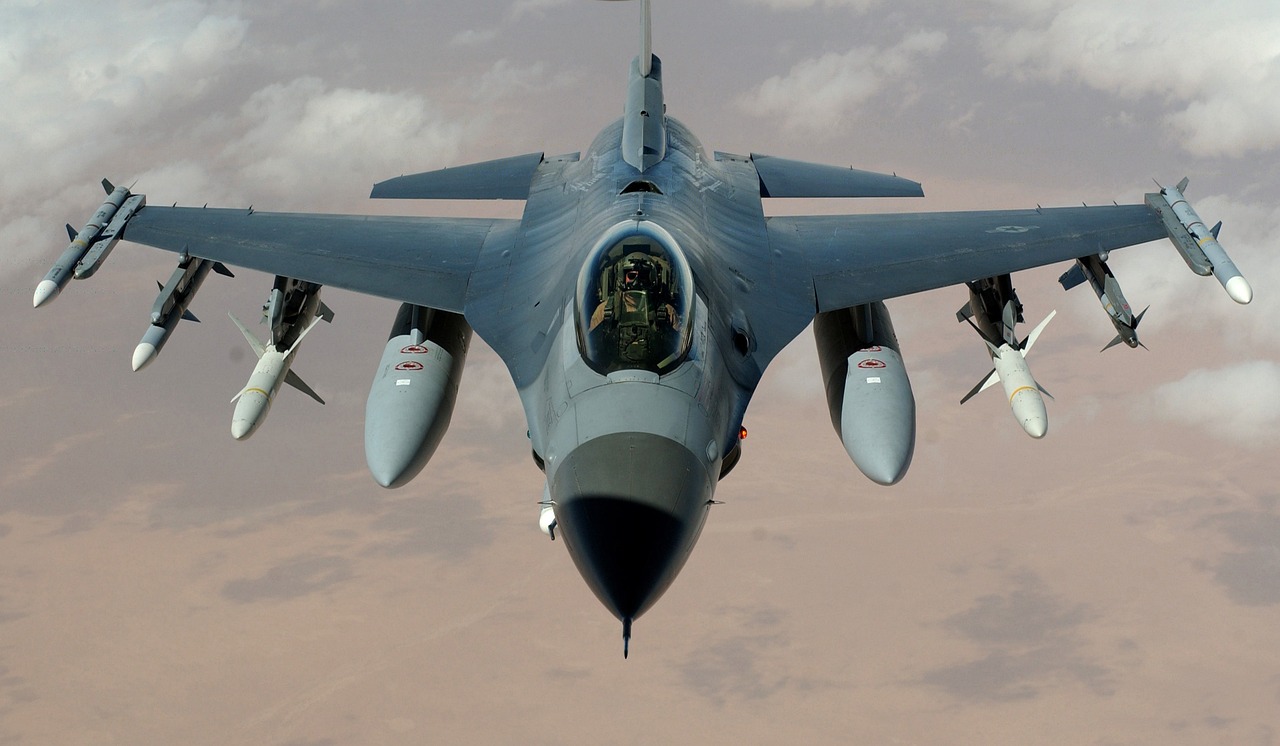
The recent crash of the General Atomics CCA (Crewed/Uncrewed Aircraft) drone wingman prototype in California has spotlighted the challenges of integrating unmanned systems into military operations. This prototype was designed to serve as a wingman for manned aircraft, enhancing strike capabilities and providing support in contested environments. The mishap occurred shortly after takeoff, though specific details regarding the cause have yet to be disclosed by the company.
This incident underscores the ongoing developmental challenges faced by unmanned aerial vehicles (UAVs) as they transition from experimental prototypes to fully operational systems. The CCA, part of the U.S. Air Force's broader strategy to incorporate unmanned systems into its air combat operations, was expected to play a pivotal role in future air warfare scenarios. As military forces increasingly rely on drones for intelligence, surveillance, reconnaissance, and combat, ensuring their reliability during operations becomes paramount.
General Atomics has been at the forefront of UAV development, with its Predator and Reaper systems already integral to U.S. military operations. The CCA aims to build upon this legacy by offering advanced capabilities, including autonomous flight and the ability to operate alongside manned aircraft. However, the crash raises questions about the safety and reliability of such systems, particularly in high-stakes environments where mission success is critical.
As the U.S. military continues to invest in drone technology, it is imperative that lessons learned from incidents like this are applied to future designs and operational protocols. The integration of UAVs into combat scenarios requires not only technological advancements but also rigorous testing and validation to ensure operational readiness. This crash serves as a reminder that while unmanned systems offer significant advantages, they are not without risks and challenges that must be addressed to maintain a strategic edge in aerial combat.