Naval ·
GAO Report Highlights Challenges for Navy's Robotic Autonomous Systems
A recent GAO report identifies critical leadership and organizational challenges that the Navy must address to effectively implement robotic autonomous systems.
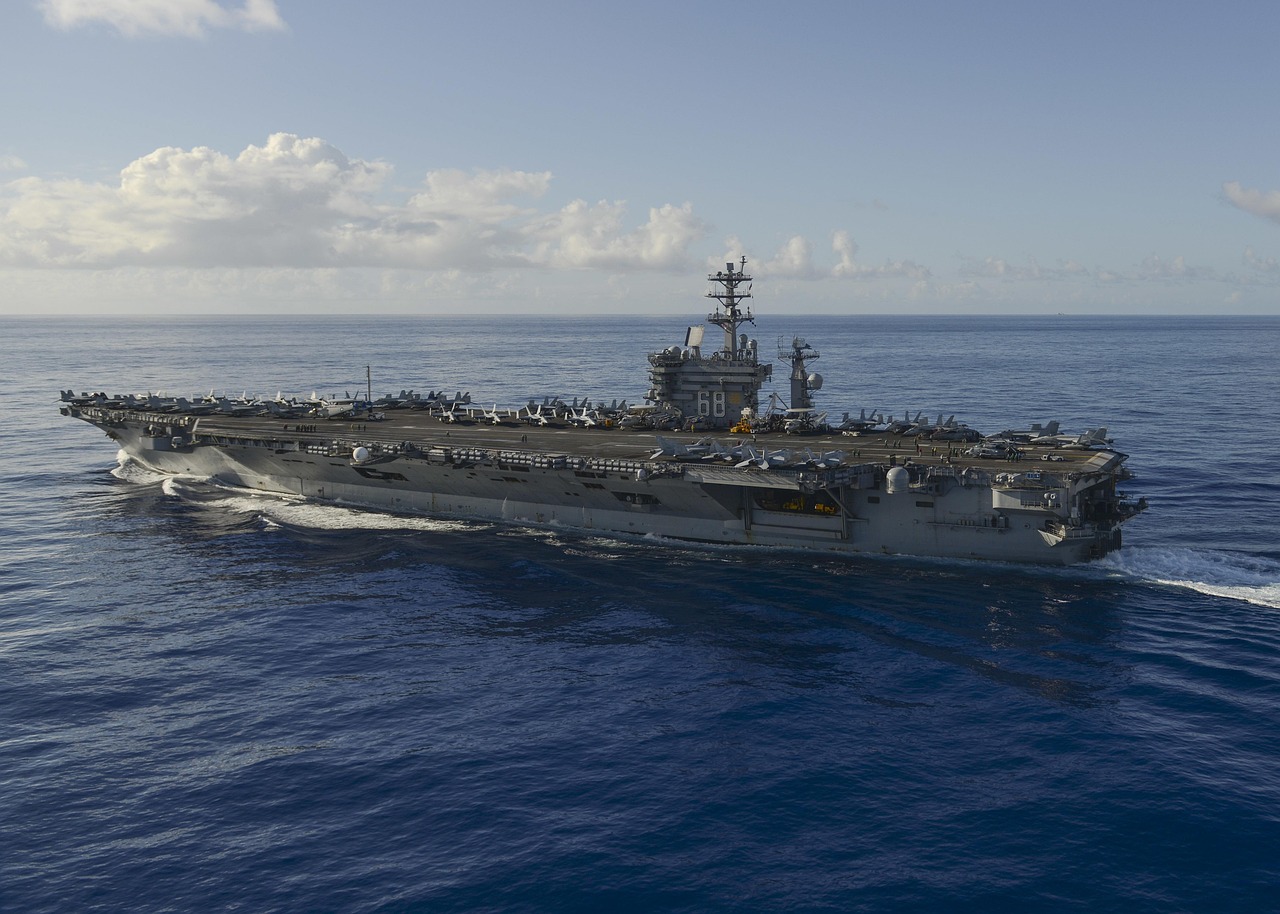
The Government Accountability Office (GAO) has released a report outlining significant challenges faced by the U.S. Navy in its pursuit of robotic autonomous systems. As the Navy seeks to integrate these advanced technologies into its operations, the report highlights the need for strong leadership and organizational structures to guide their development and deployment. This is particularly pertinent as maritime operations increasingly rely on unmanned systems for a variety of missions.
The report emphasizes that while the Navy has made strides in advancing its robotic systems, issues related to coordination between different branches and clarity of mission objectives remain hurdles. Without addressing these leadership and organizational challenges, the Navy risks underutilizing the potential of unmanned systems to enhance operational effectiveness and reduce risks to personnel.
Robotic autonomous systems, which encompass unmanned surface vehicles (USVs), unmanned underwater vehicles (UUVs), and drones, are poised to play a transformative role in naval operations. The Navy's ability to leverage these systems effectively hinges on creating a cohesive strategy that integrates them into existing frameworks. This includes establishing clear roles for personnel, ensuring proper training, and fostering collaboration among various stakeholders.
As the report suggests, addressing these challenges is not just a matter of improving operational efficiency; it is also crucial for maintaining maritime superiority in an era of evolving threats. The Navy must ensure that its investments in robotic systems translate into tangible capabilities that can deter adversaries and support mission objectives. As nations around the globe continue to invest in their own unmanned maritime technologies, the U.S. Navy must remain competitive by refining its approach to integrating these systems.
In conclusion, the GAO report serves as a wake-up call for the Navy, urging it to take decisive action to overcome the identified challenges. By prioritizing strong leadership and organizational coherence, the Navy can harness the full potential of robotic autonomous systems, ensuring they become an integral part of the future of naval warfare. The successful integration of these technologies will be key in maintaining a strategic advantage in a rapidly changing maritime landscape.