Air ·
French Air Force Plans AI-Integrated Flight with Combat Drones by 2028
The French Air Force is set to conduct its first flight of crewed fighter jets in conjunction with AI-powered combat drones under the Hypairion project by 2028, marking a significant step in military aviation and autonomous systems integration.
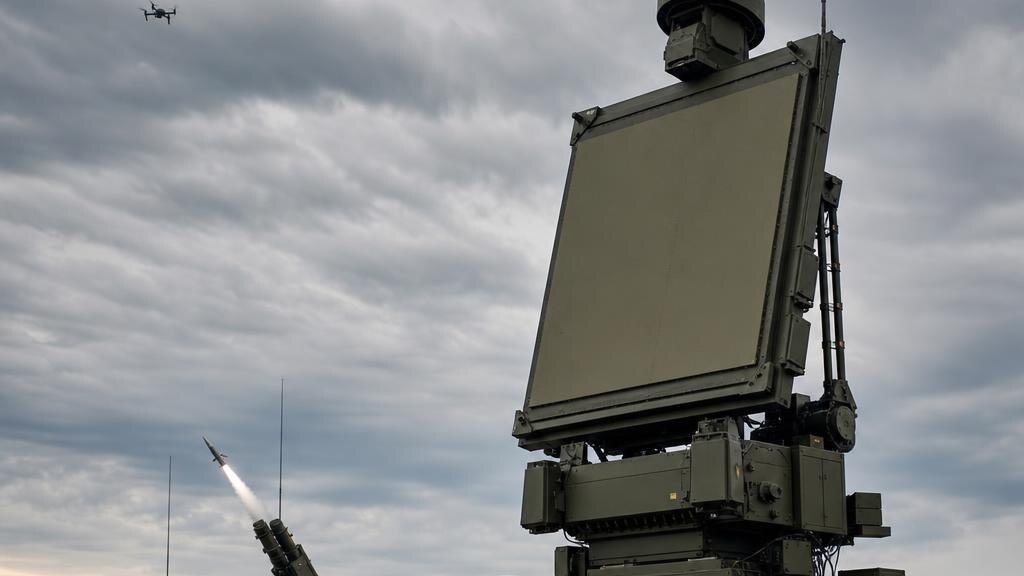
The French Air Force has announced an ambitious plan to conduct its inaugural flight of crewed fighter jets alongside AI-powered combat drones by 2028, under the initiative known as project Hypairion. This program is part of France's broader effort to enhance its military capabilities with sovereign AI technologies, positioning itself as a leader in the integration of unmanned systems in aerial combat. The project aims to leverage advanced artificial intelligence to augment the operational effectiveness of traditional crewed aircraft, potentially transforming the dynamics of air warfare.
Project Hypairion is not merely a technological upgrade; it signifies a strategic shift towards a future where human pilots and AI-driven drones operate in tandem, enhancing situational awareness and decision-making capabilities. The French Air Force, which has been exploring the integration of unmanned aerial vehicles (UAVs) into its operations, sees this project as a way to maintain air superiority against increasingly sophisticated adversaries. AI-enabled drones can process vast amounts of data in real-time, allowing them to support fighters in combat scenarios by executing tasks such as reconnaissance, target identification, and even autonomous engagement.
The strategic significance of Hypairion extends beyond mere technological advancement. It reflects France's desire to assert its sovereignty in defense technology, particularly in light of European military cooperation and the need to reduce reliance on non-European technologies. As nations across the globe, including the United States and China, ramp up their investments in autonomous systems, France's initiative highlights the importance of developing homegrown capabilities that can operate independently or alongside allied forces. This push for sovereignty in defense technology is not only a matter of national pride but also a strategic necessity in an increasingly competitive global landscape.
However, the integration of AI into military operations raises ethical and operational concerns. The use of autonomous drones in combat scenarios brings forth questions regarding accountability and the potential for unintended consequences. Critics argue that reliance on AI could lead to scenarios where decisions about life and death are made by algorithms, raising moral and legal dilemmas that militaries must address. As the French Air Force moves forward with Hypairion, it will need to navigate these complex issues while ensuring that human oversight remains a central component of combat operations. Balancing technological advancement with ethical considerations will be crucial in maintaining public trust and operational integrity.
Technically, the success of project Hypairion will depend on advancements in AI algorithms capable of real-time decision-making and the seamless integration of drones with existing fighter jet platforms. This requires not only sophisticated software development but also robust testing to ensure that the systems can operate safely in conjunction with human pilots. The French Air Force's collaboration with defense contractors and technology firms will be crucial in achieving these objectives, as they work to develop the necessary hardware and software solutions. The integration process will likely involve iterative testing phases, where both the AI systems and the crewed aircraft are evaluated under various operational scenarios to identify and rectify any potential issues.
Moreover, the timeline for the project is ambitious, with the first flight targeted for 2028. This raises questions about whether the necessary technological advancements can be achieved within the set timeframe. The complexities of integrating AI-driven systems with crewed aircraft involve extensive testing and validation processes, which can be time-consuming and resource-intensive. France must balance the urgency of developing these capabilities with the need for thorough evaluation to avoid operational failures in the field. The pressure to deliver results by 2028 may lead to challenges in ensuring that all components of the system are fully operational and reliable before deployment.
As the project progresses, the French Air Force will also need to consider the implications of its AI capabilities on international relations and defense partnerships. As European nations increasingly collaborate on defense initiatives, the integration of AI technologies may lead to new standards and protocols that could reshape collective defense strategies. France's leadership in this domain could influence the development of NATO's approach to unmanned systems and AI in military operations. The potential for interoperability with allied forces will be a critical factor in the success of Hypairion, as it seeks to align with broader defense objectives shared among European partners.
In conclusion, the Hypairion project represents a pivotal moment for the French Air Force as it seeks to redefine aerial combat through the integration of AI and unmanned systems. The successful execution of this initiative could not only enhance France's military effectiveness but also set a precedent for other nations looking to modernize their air forces. As the project unfolds, stakeholders will be closely monitoring its developments, particularly regarding ethical considerations, technological advancements, and international implications. The journey towards 2028 will undoubtedly be a critical period for the French military as it navigates the challenges and opportunities presented by this cutting-edge endeavor. The outcomes of Hypairion may very well influence the future trajectory of military aviation and the role of AI in defense operations globally.