Naval ·
European Coalition Plans to Secure the Strait of Hormuz with Drones and Naval Assets
A coalition led by the UK and France is planning to deploy naval and aerial resources to ensure maritime security in the Strait of Hormuz.
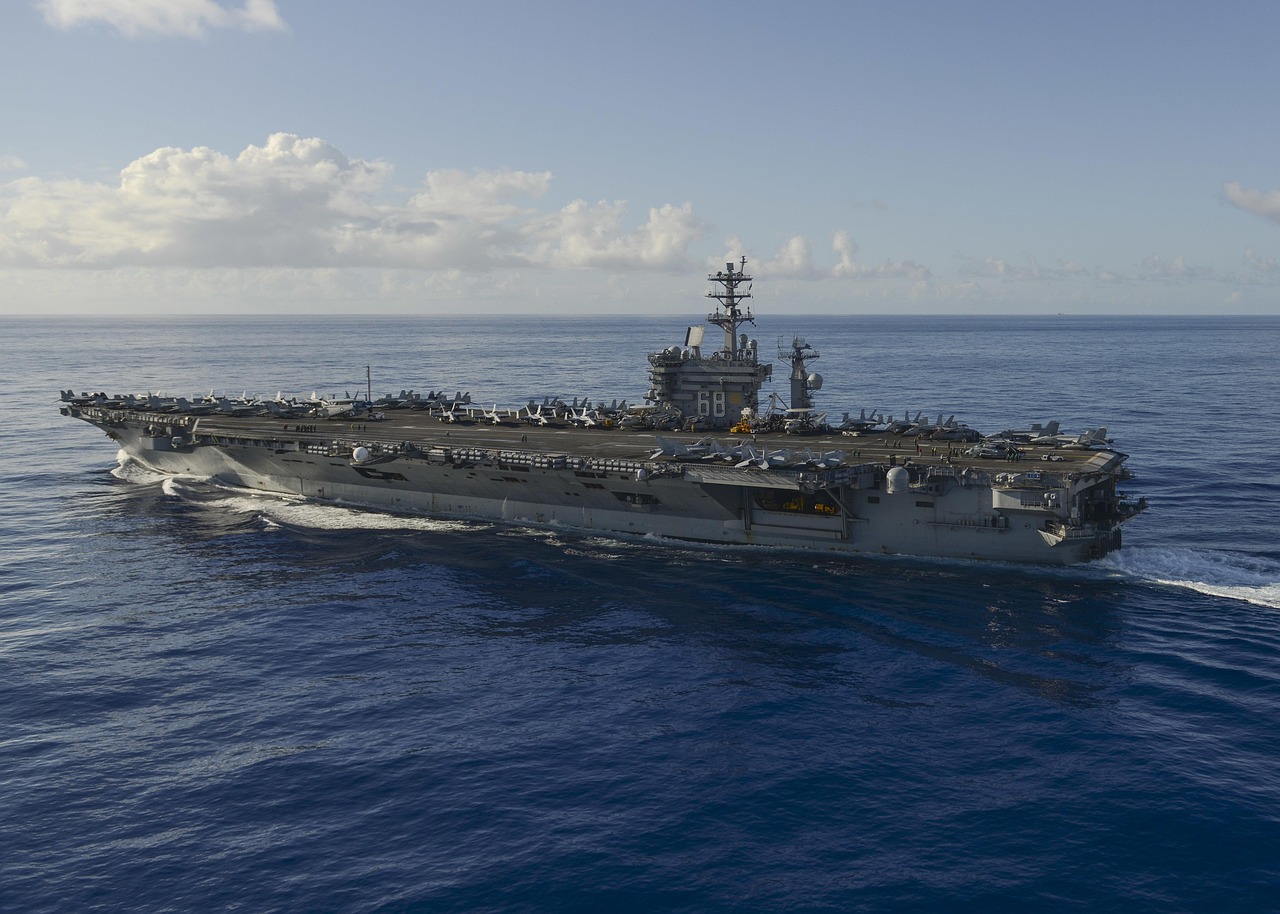
In a proactive response to escalating tensions in the region, a European-led coalition spearheaded by the United Kingdom and France is preparing to enhance security in the Strait of Hormuz. This strategic initiative aims to deploy both naval assets and unmanned aerial vehicles (UAVs) to secure one of the world's most vital maritime chokepoints. The coalition's efforts are expected to involve participation from up to 40 nations, signifying a broad international commitment to maintaining freedom of navigation in this crucial waterway.
The Strait of Hormuz is a pivotal passage for global oil shipments, and its security is paramount not only for regional stability but also for the global economy. The coalition's approach reflects a recognition of the multifaceted threats posed by both state and non-state actors in the region, including drone incursions and maritime piracy. By leveraging advanced drone technology alongside traditional naval capabilities, the coalition seeks to create a robust defense framework that can respond effectively to emerging threats.
Unmanned systems, particularly drones, will play a crucial role in surveillance and reconnaissance operations, providing real-time intelligence on maritime activities. This capability is vital for identifying potential threats before they can escalate into more significant confrontations. The integration of drones into naval operations not only enhances situational awareness but also allows for a quicker response to incidents that may endanger shipping routes.
The coalition's initiative to secure the Strait of Hormuz underscores the importance of international cooperation in addressing security challenges in a complex geopolitical landscape. As the situation in the region continues to evolve, the deployment of unmanned systems will likely become increasingly integral to maritime security strategies, shaping the future of naval operations in contested environments.