Air ·
Emerging Details on Russia's Yolka Interceptor Drone Unveiled
Technical specifications of the Russian interceptor drone known as Yolka have been disclosed, revealing its operational limitations and capabilities.
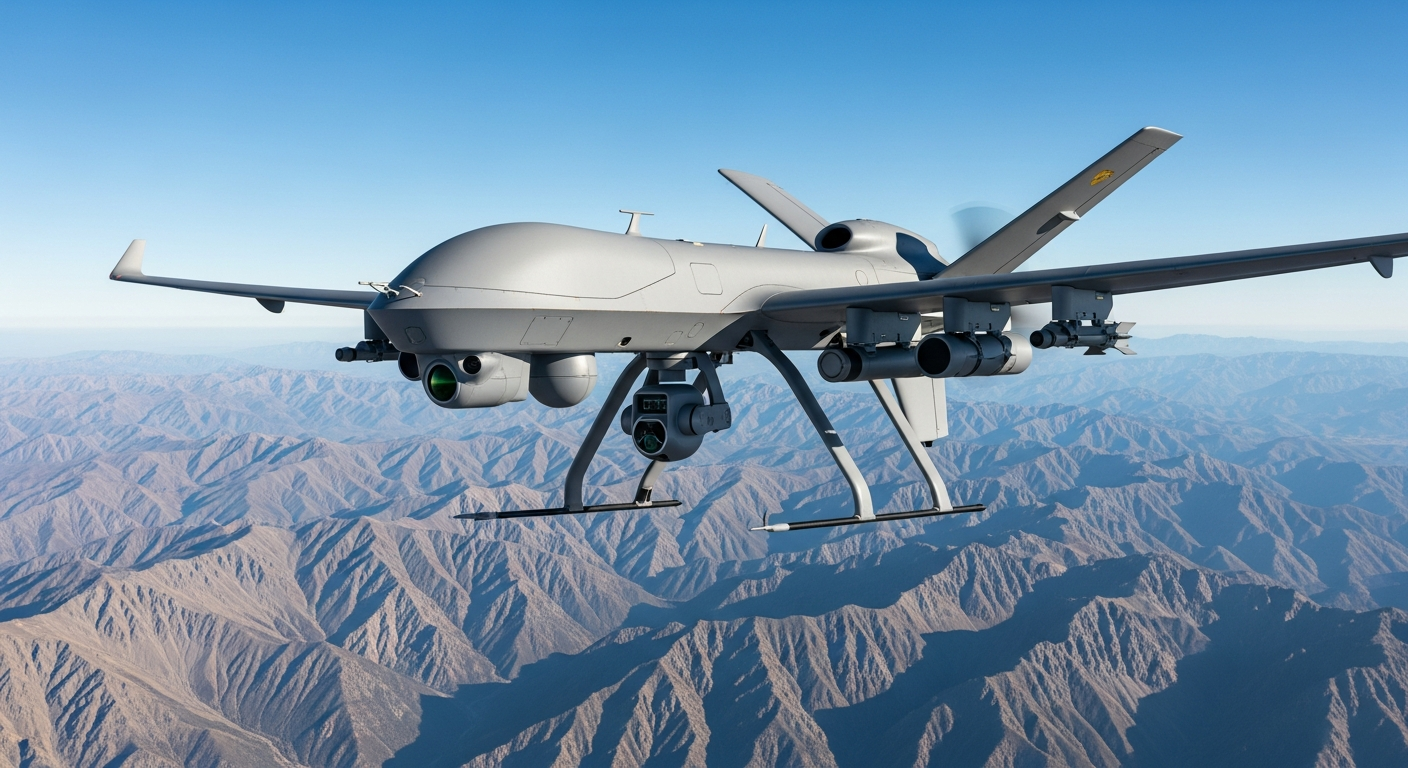
Recent disclosures by Ukrainian defense advisor Serhii “Flash” Beskrestnov have shed light on a little-known Russian interceptor drone called Yolka. This new information reveals that the Yolka operates primarily during daylight hours and is limited in its functionality under adverse weather conditions, such as rain. Such constraints could impact its effectiveness on the battlefield, particularly in environments where flexibility and adaptability are crucial.
The Yolka’s effective range is reportedly around 50 kilometers, which positions it as a tactical drone for engaging aerial threats within a limited operational envelope. This range suggests that while it can be utilized for specific defensive missions, it may not be suitable for long-range engagements or for missions requiring stealthy penetration into contested airspace. The daylight operation limitation further emphasizes the need for Russian forces to consider alternative strategies when deploying this drone in varying weather conditions.
Understanding the capabilities and limitations of adversarial drones like the Yolka is essential for developing effective countermeasures. The U.S. and allied forces continuously analyze foreign drone technologies to enhance their own capabilities and develop strategies to mitigate potential threats. This ongoing assessment of the Yolka and similar systems will play a critical role in informing counter-drone technologies and tactics.
As military engagements increasingly incorporate unmanned systems, the emergence of drones like Yolka highlights the evolving nature of aerial combat. Countries are now investing heavily in developing advanced drone technologies that can operate in diverse conditions and fulfill various mission profiles. The disclosure of the Yolka’s specifications could prompt further scrutiny and adaptation of counter-drone systems to ensure that allied forces remain prepared for any aerial threats.
In conclusion, the unveiling of the Yolka interceptor drone's specifications adds another layer to the understanding of the modern battlefield's complexities. As nations continue to innovate within the drone domain, the strategic implications of such technologies will undoubtedly shape future military engagements, underscoring the importance of intelligence and adaptability in warfare.