Air ·
Emerging Arms Race: Development of Cheaper Anti-Ballistic Weapons
The defense industry is witnessing a race to develop more affordable and effective anti-ballistic weapon systems, moving beyond traditional Patriot systems.
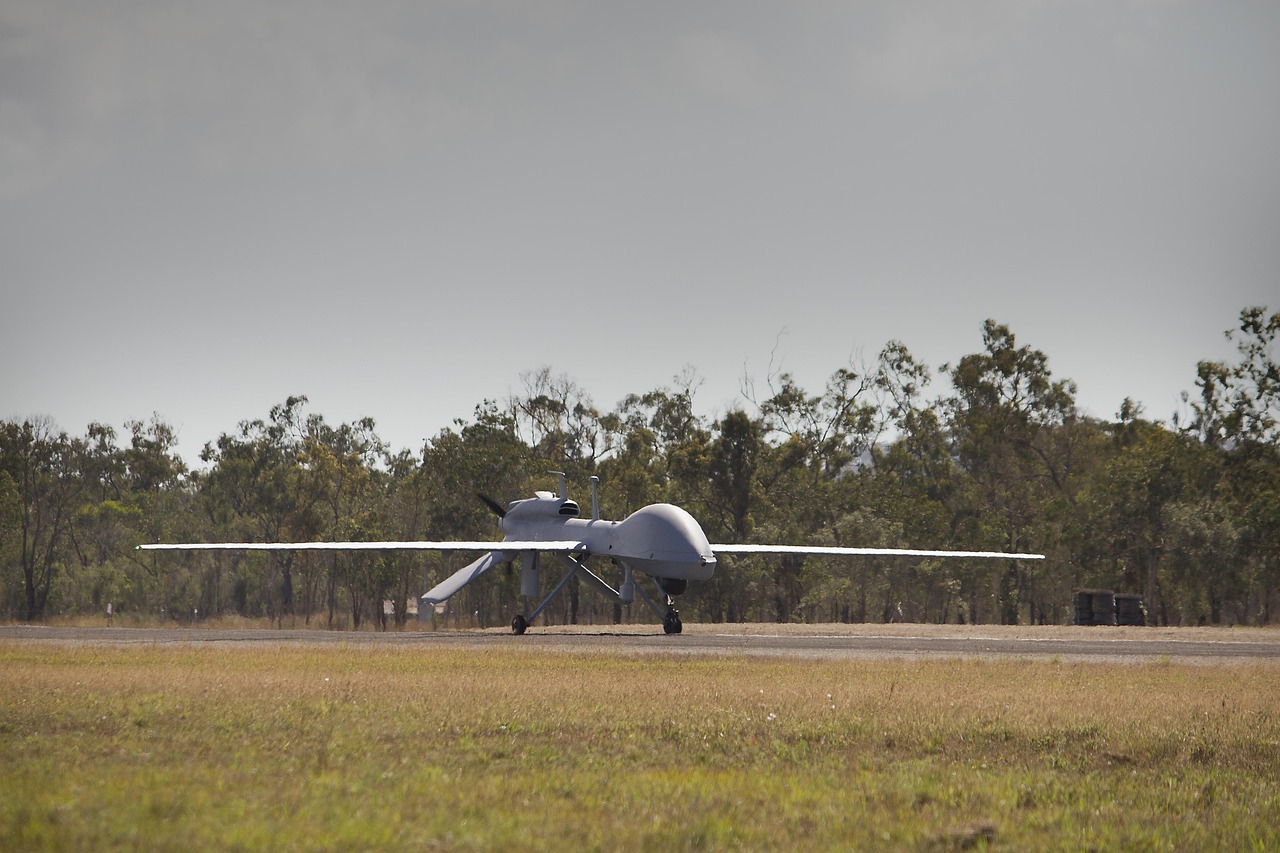
The defense landscape is currently experiencing a notable shift as multiple defense contractors enter the race to develop more affordable anti-ballistic weapon systems. Following years of reliance on the Patriot missile system, which has dominated the market, new alternatives are now emerging that promise to enhance the U.S. military's defensive capabilities against ballistic missile threats. The drive for cheaper solutions stems from the need to maintain readiness while managing defense budgets more effectively.
As tensions continue to rise globally, especially with adversarial nations enhancing their missile capabilities, the urgency to field new anti-ballistic systems has never been greater. Defense officials are optimistic that several of these emerging systems could be operational by the end of 2026. This timeline suggests a rapid prototyping and development cycle that leverages advancements in technology, including drone and missile interception systems, to enhance overall defense strategies.
The competition in the anti-ballistic missile sector is likely to foster innovation, leading to advancements that could significantly alter military tactical approaches. The introduction of cheaper alternatives could democratize access to effective missile defense, allowing not only the U.S. military but also allied nations to enhance their defensive postures against aerial threats. This could ultimately deter adversaries and stabilize regional security dynamics.
Furthermore, the implications of these developments extend beyond just cost savings; they also encompass a strategic pivot towards multi-layered defense systems. By integrating drone technology with anti-ballistic capabilities, the military can create a more comprehensive defense framework that addresses both aerial and missile threats in a cohesive manner. The use of unmanned systems in conjunction with traditional missile defense could provide a robust shield against potential attacks.
In conclusion, the emerging arms race for cost-effective anti-ballistic weapons represents a significant shift in military procurement strategies. As new systems are developed and tested, the U.S. military's ability to defend against missile threats will be enhanced, ensuring that it remains prepared to confront evolving challenges on the battlefield.