Air ·
Directed Energy Systems Successfully Engage Drones at U.S. Borders
The U.S. military has effectively utilized a directed-energy system to counter drone threats suspected to be linked to drug cartels along the border.
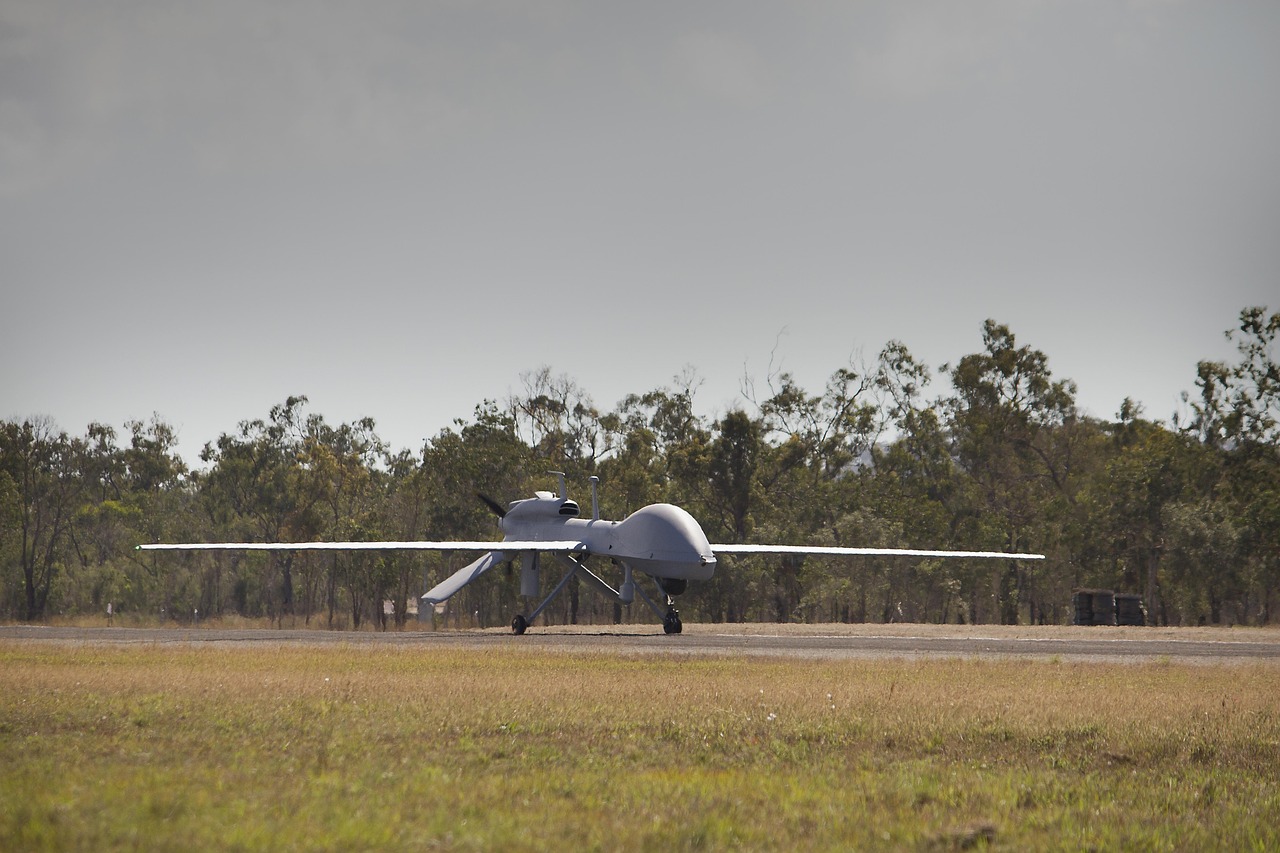
In a significant development, the U.S. military employed a directed-energy system to neutralize unauthorized drones at the border, emphasizing the growing need for innovative counter-drone technologies. While specific details regarding the location and the perpetrators remain undisclosed, the military suggested that these drones were likely being used for reconnaissance operations by drug trafficking organizations. This incident marks a noteworthy application of directed-energy weapons, which are increasingly seen as viable solutions for countering the threat posed by small, unmanned aerial vehicles (UAVs).
The deployment of directed-energy systems highlights a shift away from traditional kinetic interceptors, focusing instead on precision-targeted energy bursts capable of disabling drones without collateral damage. This technology not only reduces the risk of physical destruction but also minimizes the expenditure associated with conventional missile systems. As drone technology advances, the need for equally sophisticated countermeasures becomes paramount, and directed-energy systems could play a critical role in future military strategies.
This initiative aligns with broader trends in military operations where non-lethal options are being integrated into the defense arsenal. The successful engagement of drones using this technology not only demonstrates its effectiveness but also sets a precedent for its use in various operational theaters. As military forces worldwide grapple with the increasing prevalence of drones in asymmetric warfare, directed-energy systems may become a cornerstone in defense strategies, particularly in border security and urban environments.
Moreover, the implications of this technology extend beyond immediate operational success. The U.S. military’s investment in directed-energy systems is indicative of an evolving approach to warfare that prioritizes adaptability and innovation. As adversaries continue to leverage drone capabilities for reconnaissance and strike missions, the development and refinement of counter-drone technologies will be crucial in maintaining operational superiority. The successful application of these systems could lead to their expansion into other theaters of operation, thereby enhancing overall military readiness against drone threats worldwide.