Air ·
Diplomatic Impasse Threatens Progress on Autonomous Weapons Regulations
Ongoing opposition from the U.S. and Russia raises significant doubts about the potential for international agreements on the regulation of autonomous weapons during upcoming diplomatic talks.
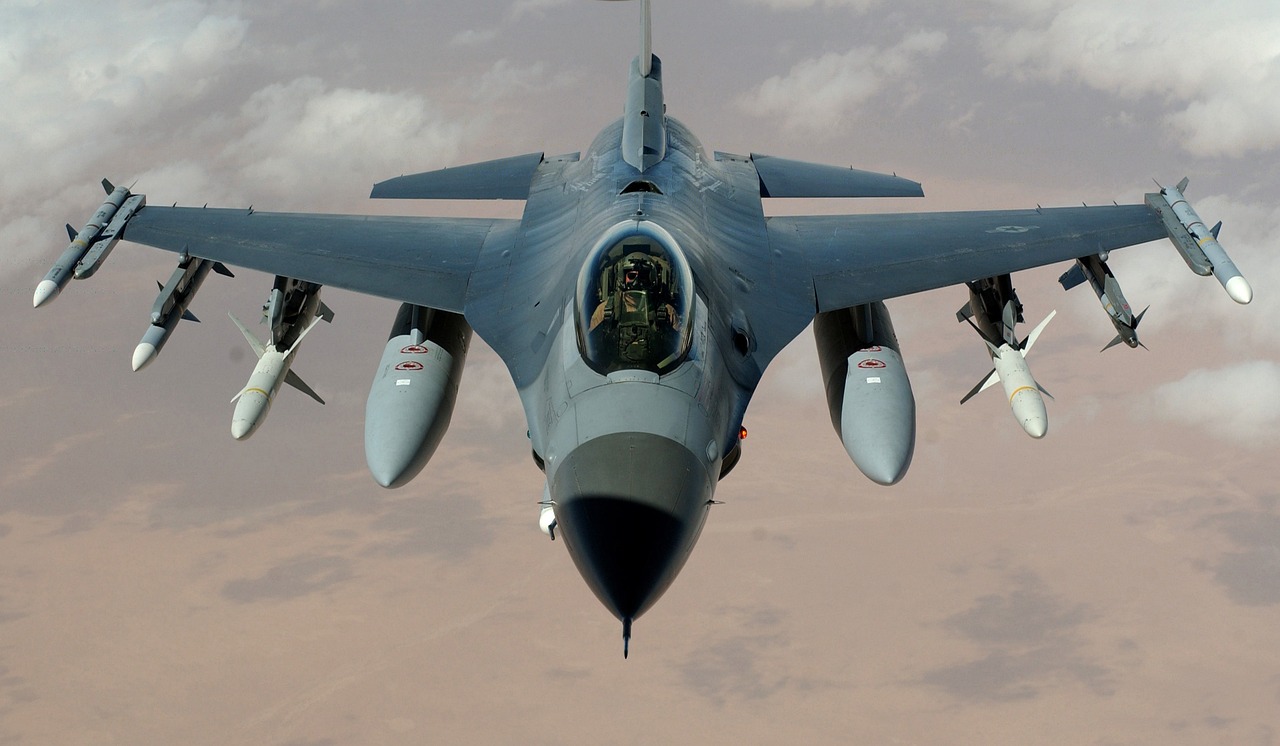
As international discussions on the regulation of autonomous weapons systems approach, concerns have been raised about the efficacy of these talks due to opposing stances from major powers, particularly the United States and Russia. Both nations have expressed reservations about establishing strict regulations on the development and deployment of autonomous military technologies. This division could hinder progress towards a consensus on the ethical and operational implications of such weapons.
Autonomous weapons systems, which utilize advanced artificial intelligence to perform tasks without human intervention, have become a focal point in modern military strategy. Proponents argue that these systems could enhance operational efficiency and reduce the risks to human soldiers. However, critics caution that the lack of oversight and accountability associated with autonomous systems poses significant ethical dilemmas and potential for misuse in conflict scenarios.
The U.S. has historically been a leader in military technology, advocating for innovation while also recognizing the need for guidelines to prevent harmful applications of autonomous systems. Meanwhile, Russia's reluctance to engage in binding agreements stems from its strategic interests in maintaining a competitive edge in military capabilities. This discord highlights the complexities of establishing international norms that can effectively govern emerging technologies in warfare.
As the discussions unfold, the question remains whether a framework can be established that addresses the legitimate security concerns of nations while ensuring that the development of autonomous weapons does not lead to destabilizing arms races. The outcome of these talks will have profound implications for the future of warfare and the international community's ability to manage the ethical challenges posed by technological advancements.
In the absence of a cohesive global approach, individual nations may continue to pursue autonomous weapons development independently, potentially leading to a fragmented landscape of regulations and standards. The future of autonomous warfare may ultimately depend on the willingness of nations to find common ground on these critical issues, balancing innovation with responsibility.