Land ·
Denmark Expands Ground Robotics Capabilities with Ukrainian-Founded Drones
Denmark's armed forces have acquired nine unmanned ground vehicles from a Ukrainian-founded company, enhancing their military training and operational capabilities.
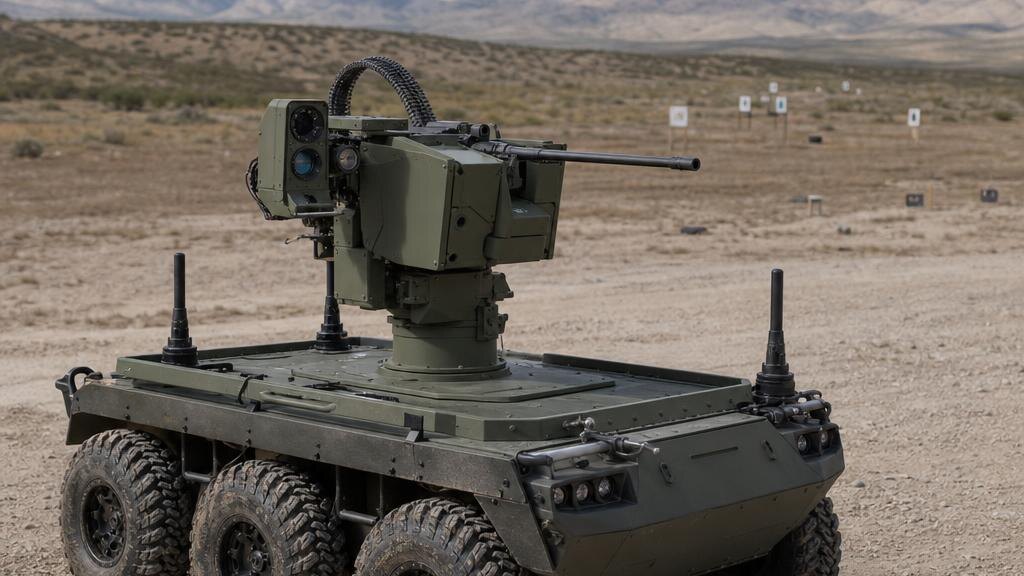
On September 28, 2026, Denmark's armed forces announced the acquisition of nine unmanned ground vehicles (UGVs) from Dropla, a Danish company founded by Ukrainians. This initiative aims to bolster the training of drone operators, including conscripts, at Denmark's military drone center. The decision reflects a growing trend among European nations to integrate advanced unmanned technologies into their defense strategies, particularly in light of ongoing geopolitical tensions and the need for enhanced military readiness.
The Dropla 4×4 UGVs are designed for versatile operational roles, including reconnaissance, logistical support, and potentially combat scenarios. These vehicles represent a significant step for Denmark, which has been investing in modernizing its military capabilities to address contemporary security challenges. The Danish Ministry of Defense, through its procurement agency FMI, has recognized the importance of unmanned systems in future warfare, aligning with NATO's broader push for technological innovation in defense. This acquisition is not merely about enhancing capabilities but also about ensuring that Denmark remains aligned with its NATO allies in adopting cutting-edge technologies.
Denmark's move to incorporate UGVs into its military training program comes at a time when many European countries are reassessing their defense postures. The conflict in Ukraine has highlighted the effectiveness of unmanned systems in modern warfare, prompting nations to pursue similar capabilities. By training conscripts with these UGVs, Denmark aims to enhance the operational readiness of its forces and ensure they are equipped to handle future conflicts that may involve hybrid warfare tactics. The integration of these vehicles into training exercises allows military personnel to familiarize themselves with the complexities of unmanned operations, which are becoming increasingly prevalent in contemporary combat scenarios.
The Dropla UGVs are expected to facilitate a range of training scenarios, allowing operators to gain hands-on experience in controlling unmanned vehicles. This training is crucial for developing the skills necessary to operate more complex systems in the field. Moreover, the integration of UGVs into training programs can enhance the overall effectiveness of Denmark's military by providing real-time data and situational awareness during exercises. This capability not only improves the training experience but also prepares troops for the dynamic nature of modern battlefields, where information and adaptability are key to success.
However, the deployment of ground robots is not without challenges. As military operations increasingly rely on unmanned systems, there are concerns regarding the potential for technological malfunctions and the need for robust cybersecurity measures to protect these systems from adversarial interference. The reliance on software and connectivity can expose UGVs to cyber threats, necessitating ongoing investment in cybersecurity protocols and training for personnel to mitigate these risks. Additionally, the ethical implications of using unmanned systems in combat situations continue to be debated among military strategists and policymakers, raising questions about accountability and the potential for unintended consequences in warfare.
Denmark's purchase of the Dropla UGVs also reflects a broader trend in defense procurement where nations are increasingly turning to innovative startups for advanced technologies. The collaboration with a Ukrainian-founded company underscores the importance of international partnerships in achieving technological advancements. This trend could lead to a more diversified defense industrial base, fostering innovation and competitiveness in the military sector. Such collaborations not only enhance technological capabilities but also strengthen diplomatic ties, as nations work together to address shared security challenges.
As Denmark integrates these UGVs into its military framework, the effectiveness and adaptability of such systems will be closely monitored. Future evaluations will likely assess how well these unmanned vehicles perform in various operational contexts and whether they can effectively complement traditional military assets. The ability to adapt these systems to different missions and environments will be crucial in determining their long-term viability and impact on Denmark's military strategy.
The strategic significance of deploying UGVs extends beyond immediate operational capabilities. By investing in unmanned technologies, Denmark is positioning itself to play a more proactive role in NATO operations and regional security initiatives. The ability to deploy unmanned systems can enhance Denmark's contributions to collective defense efforts, particularly in scenarios that require rapid response and flexible operational solutions. This strategic positioning may also serve as a deterrent against potential adversaries, showcasing Denmark's commitment to modernizing its military and maintaining a robust defense posture.
In conclusion, Denmark's acquisition of UGVs from Dropla marks a significant step in its journey towards modernizing its military capabilities. As the landscape of warfare continues to evolve, the integration of unmanned systems will be critical in shaping the future of military operations in Europe and beyond. The outcomes from this initiative will provide valuable insights into the effectiveness of UGVs in combat training and operational scenarios, paving the way for further advancements in unmanned technologies. As other nations observe Denmark's progress, it may inspire similar initiatives, leading to a broader adoption of unmanned systems across the continent.