Naval ·
Defense Tech Firms Contest Navy's MUSV Program Decisions
Two defense technology companies are challenging the U.S. Navy's decision to exclude them from the Medium Unmanned Surface Vessel program, alleging unfair treatment.
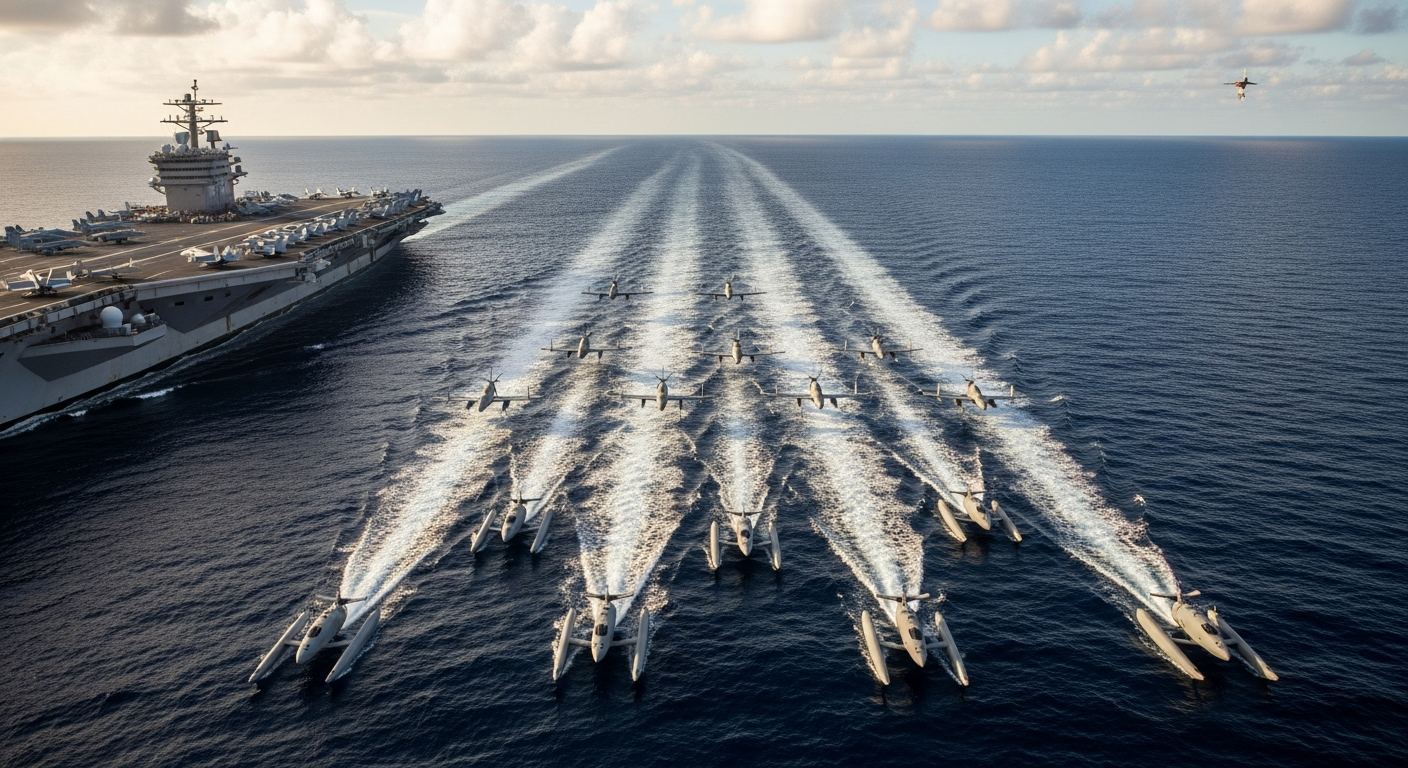
In a significant legal move, Blue Water Autonomy and Saildrone have filed lawsuits against the U.S. Navy regarding their exclusion from the Medium Unmanned Surface Vessel (MUSV) program. The companies contend that they met all requirements set forth by the Navy for the program, which aims to enhance naval capabilities with advanced unmanned systems. This legal challenge reflects broader concerns about transparency and fairness in defense contract awards, especially within the rapidly evolving unmanned maritime systems sector.
The MUSV program is designed to develop vessels that can operate autonomously and support various missions, including surveillance, reconnaissance, and logistics. The Navy's focus on integrating unmanned systems into its operational framework is part of a larger strategy to maintain maritime dominance and adapt to modern warfare challenges. As the competition for defense contracts intensifies, the outcome of these lawsuits could set important precedents for how future contracts are awarded and contested.
Both companies argue that their proposals were not only compliant but also innovative, potentially offering the Navy advanced capabilities at competitive costs. This situation raises questions about the Navy's evaluation process and whether it adequately considers the technological advancements being offered by smaller, agile firms. Furthermore, these lawsuits could prompt a reevaluation of how the Navy engages with the defense tech community, particularly in terms of fostering innovation and competition.
As the Navy continues to prioritize unmanned systems, the implications of this legal battle extend beyond just these two companies. The outcome may influence the Navy's future procurement strategies and its partnerships with the defense industry. It may also impact the development of new technologies that are critical for ensuring operational effectiveness in a complex maritime environment, where unmanned systems are becoming increasingly essential.
In conclusion, the lawsuits by Blue Water Autonomy and Saildrone highlight the complexities and challenges faced by defense contractors in securing government contracts. As the Navy forges ahead with its MUSV initiative, the implications of this legal dispute could resonate throughout the defense sector, reshaping how companies approach innovation and contract bidding in an era defined by rapid technological advancement.