Naval ·
Containerized Payload Competition: A New Era for Naval Unmanned Systems
The Defense Innovation Unit (DIU) and the Navy have launched a competition focused on containerized payloads, signaling a shift in naval unmanned systems development.
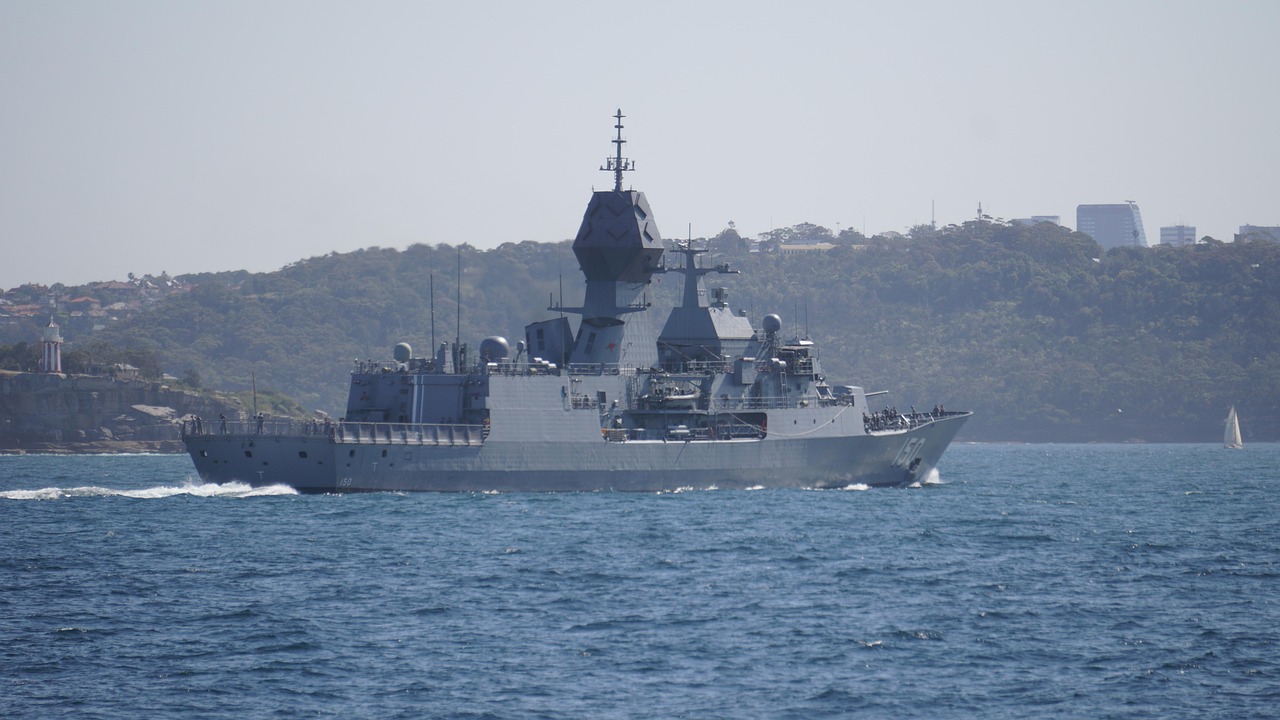
The Defense Innovation Unit (DIU) and the U.S. Navy have recently initiated a competition aimed at developing containerized payload capabilities for unmanned systems. This innovative approach seeks to enhance the flexibility and adaptability of naval operations, allowing for rapid deployment of various payloads based on mission requirements. The emphasis on containerized solutions reflects a growing recognition of the need for versatility in modern naval warfare.
The concept of containerized payloads allows unmanned surface vessels (USVs) and unmanned underwater vehicles (UUVs) to quickly switch between different operational roles. Whether for reconnaissance, logistics, or combat support, these systems can be equipped with a variety of modular payloads, facilitating swift responses to dynamic operational scenarios. This adaptability is particularly crucial in a maritime environment where threats can evolve rapidly.
Chief of Naval Operations Adm. Daryl Caudle has been a vocal proponent of this containerized capability campaign, highlighting its potential to revolutionize how the Navy conducts maritime operations. The ability to deploy multiple payload types from a single unmanned platform not only enhances operational efficiency but also reduces the logistical burden associated with traditional naval assets.
Moreover, this initiative aligns with broader trends in defense innovation, where modular and scalable systems are increasingly favored for their cost-effectiveness and operational agility. By investing in containerized payloads, the Navy is positioning itself to stay ahead of potential adversaries who are also exploring advanced unmanned capabilities.
In summary, the containerized payload competition launched by the DIU and the Navy represents a significant advancement in naval unmanned systems. As this initiative unfolds, it could lead to the development of more versatile and effective maritime platforms capable of meeting the demands of modern warfare. The outcomes of this competition will be closely watched as they may set new standards for naval operations in the years to come.