Air ·
Concerns Over Autonomous Weapons Regulations Emerge Amid US and Russia Opposition
Diplomatic talks regarding international regulations on autonomous weapons face uncertainty due to opposition from the U.S. and Russia.
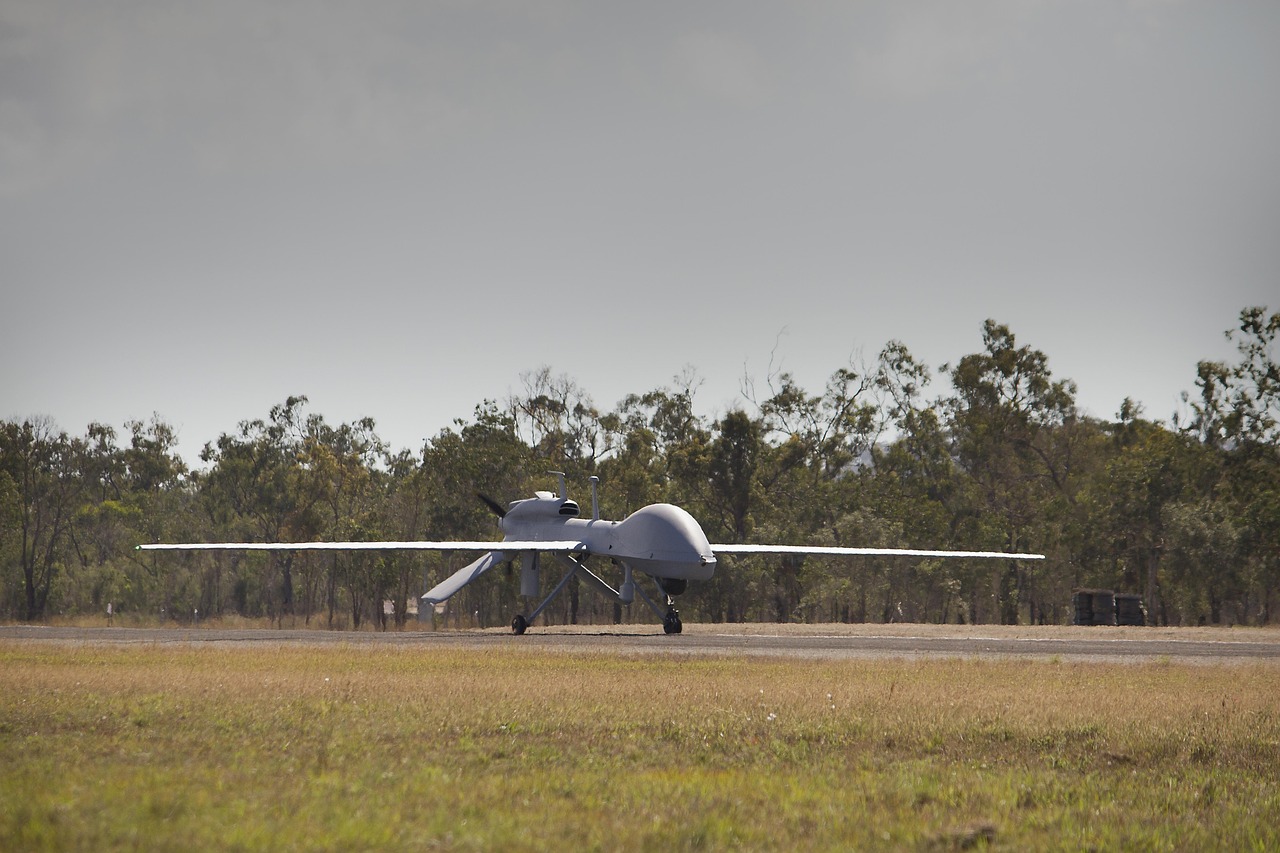
As nations convene to discuss potential regulations surrounding autonomous weapons, significant opposition from both the United States and Russia is casting doubt on the outcome of these talks. Diplomatic efforts aimed at establishing international guidelines for the deployment and usage of autonomous weapon systems have encountered substantial hurdles, primarily due to differing national interests and military strategies. The stakes are high, as the proliferation of these technologies could fundamentally alter the landscape of warfare.
The U.S. has historically maintained a cautious approach towards autonomous systems, emphasizing the importance of human oversight in military decision-making. Meanwhile, Russia's stance reflects its strategic focus on advancing its own military capabilities, which includes the integration of unmanned systems into its operational framework. This divergence in approach complicates the possibility of reaching a consensus, as both nations possess significant influence over global arms control discussions.
With various countries pushing for regulations that could limit the operational scope of autonomous weapons, the discussions highlight a critical juncture in military technology and ethics. Many advocates for regulation argue that without oversight, the risk of misuse and unintended consequences could escalate, particularly in conflict zones where human judgment is essential. Conversely, the resistance from powerful military nations raises concerns about the potential for an arms race in autonomous weapons technology.
As the international community grapples with these issues, the need for a balanced approach that addresses security concerns while promoting accountability in the use of autonomous systems remains paramount. The outcome of these negotiations will likely shape the future of warfare and the ethical implications of increasingly automated military operations.