Air ·
Collaborative Combat Aircraft: Preparing for Allied Integration
The U.S. Air Force is taking steps to ensure interoperability for European allies wishing to join the Collaborative Combat Aircraft initiative.
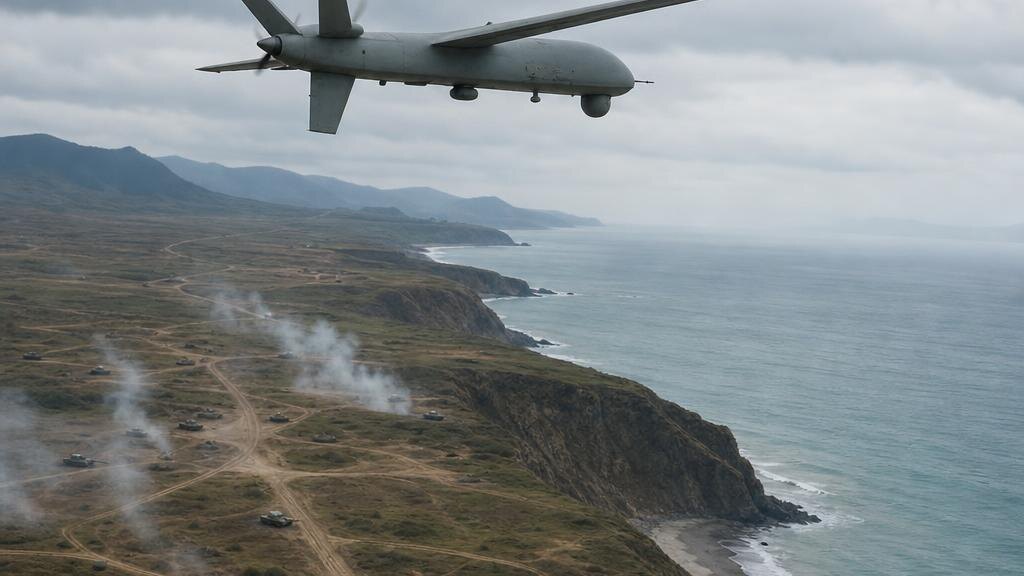
As the landscape of modern warfare evolves, the U.S. Air Force (USAF) is actively preparing for the integration of European allies into its Collaborative Combat Aircraft (CCA) initiative. This program aims to enhance the capabilities of air combat operations through the use of advanced unmanned systems that can work in concert with crewed platforms. The growing interest from allied nations underscores the importance of interoperability in joint operations, particularly in the context of potential threats in Europe.
The CCA initiative represents a significant shift in how air forces approach combat scenarios. By pairing manned aircraft with unmanned systems, the USAF aims to create a more lethal and flexible fighting force. These systems can perform a variety of roles, from intelligence gathering to direct engagement, thereby expanding the operational envelope of traditional air platforms. The collaborative nature of these systems allows for greater efficiency and effectiveness in combat operations.
To facilitate this integration, the USAF is focusing on ensuring that operational protocols and technological frameworks are compatible with those of its allies. This includes sharing data formats, communication systems, and tactical doctrines that enhance joint mission effectiveness. The emphasis on interoperability not only strengthens alliances but also ensures that all forces involved can respond cohesively to emerging threats.
As European nations express interest in the CCA program, the USAF is also evaluating the capabilities that these allies can bring to the table. The inclusion of diverse unmanned systems will enrich the overall capabilities of the CCA initiative, providing a wide range of options for commanders in the field. This collaborative approach is essential in a security environment characterized by rapid technological advancements and shifting geopolitical dynamics.
Moreover, the success of the CCA initiative could redefine air combat strategies in the future. As unmanned systems become more capable and reliable, their integration into air operations will likely become the norm rather than the exception. The USAF's proactive approach to preparing for allied integration demonstrates its commitment to maintaining a technological edge in air warfare while fostering international partnerships.
In conclusion, the USAF's efforts to prepare for European allies' participation in the Collaborative Combat Aircraft initiative highlight the importance of interoperability in modern air operations. By creating a cohesive framework for collaboration, the USAF is positioning itself and its allies to effectively navigate the challenges of future conflicts.