Air ·
Chinese Military Leverages U.S. AI Models for Defense System Training
Chinese researchers are reportedly utilizing advanced U.S. AI models to enhance their defense system capabilities, raising concerns among U.S. defense officials.
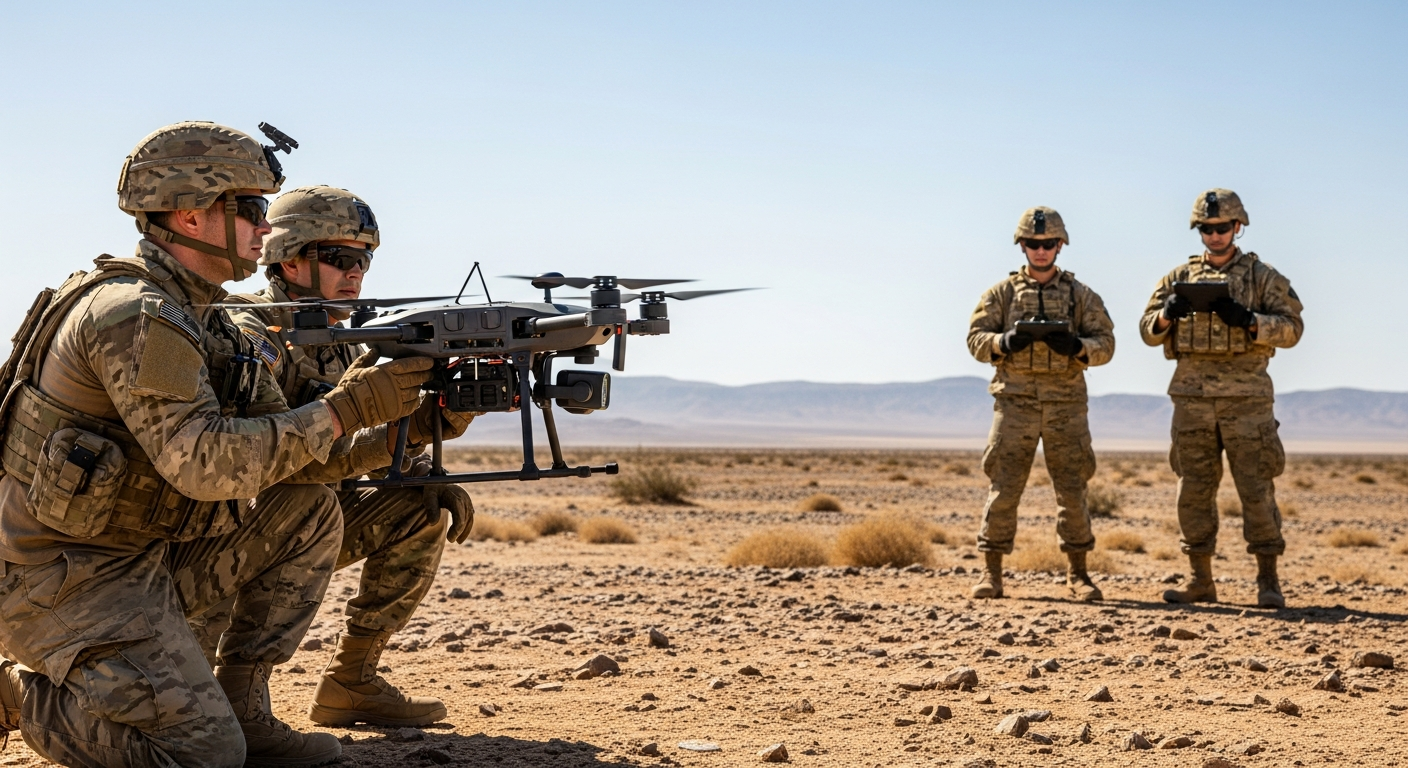
Recent reports indicate that Chinese military researchers are leveraging cutting-edge artificial intelligence models developed by American companies, notably OpenAI and Anthropic, to enhance their defense systems. This development highlights the increasing intersection of technology and military capabilities, as nations seek to harness AI for strategic advantages in modern warfare. The use of these models can enable advanced training simulations and predictive analytics, providing the Chinese military with improved operational readiness and tactical decision-making capabilities.
The implications of this technology transfer are significant, as it raises questions about the effectiveness of U.S. military technology in maintaining a competitive edge. The ability to train defense systems using sophisticated AI can lead to rapid advancements in autonomous weaponry and battlefield management, potentially altering the balance of power in the Asia-Pacific region. U.S. officials have expressed concern over the potential for these AI systems to be employed in ways that could threaten American forces and allies.
As AI continues to evolve, the implications for military strategy are profound. For China, the integration of U.S. AI technology into their defense systems could streamline operations and enhance the effectiveness of unmanned aerial vehicles (UAVs) and other autonomous systems. This could lead to more capable and resilient military assets capable of countering U.S. forces, particularly in scenarios involving contested airspace and naval engagements.
In response to these developments, U.S. defense officials are likely to reassess their strategies to ensure that American military technology remains at the forefront of innovation. This includes investing in indigenous AI research and development to prevent adversaries from gaining a technological edge. The race for AI supremacy in military applications is becoming increasingly critical, as nations recognize the strategic advantages that come with superior technology.
Furthermore, the broader implications of this trend suggest a need for international cooperation and regulation in the development and use of AI in military contexts. As countries race to integrate AI into their defense systems, establishing norms and standards may become essential to prevent destabilizing arms races and ensure that these technologies are used responsibly and ethically.
In conclusion, the reported use of U.S. AI models by Chinese military researchers underscores the imperative for vigilance and innovation among U.S. defense agencies. As AI continues to reshape the landscape of warfare, maintaining a technological edge will be key to ensuring national security and readiness in an increasingly complex global environment.