Air ·
China Expands Drone Operations Around Scarborough Shoal Amid Territorial Claims
China has intensified its military presence in the Scarborough Shoal region, deploying new drones as part of its strategy to assert control over contested waters, raising concerns over regional security and maritime sovereignty.
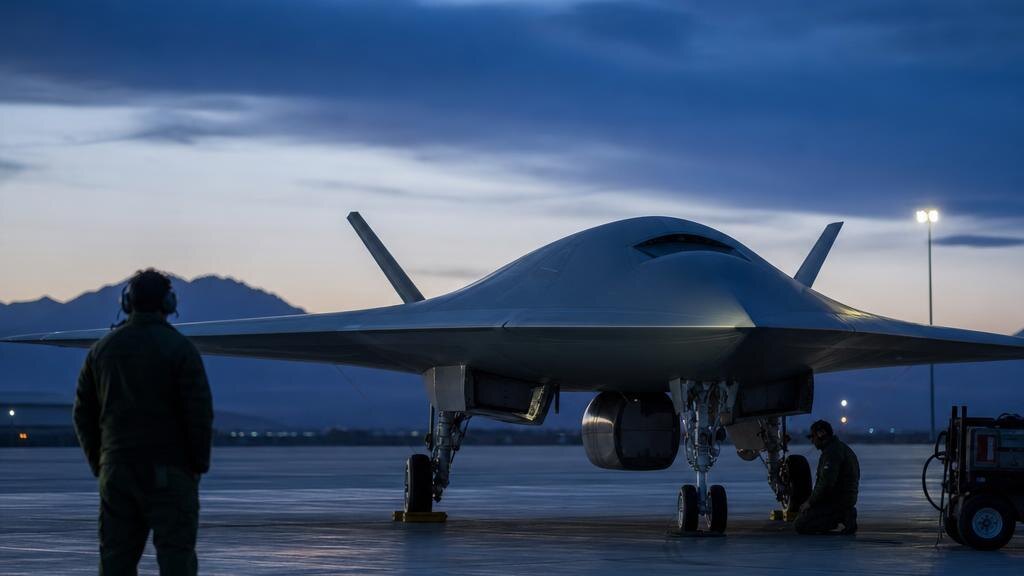
On September 27, 2026, the Chinese military conducted a series of exercises around Scarborough Shoal, a contested area located 120 nautical miles from the Philippine island of Luzon. These operations were highlighted by the deployment of the Guizhou WZ-7 Soaring Dragon drone, which was showcased for the first time in this region. The exercises, carried out by the People’s Liberation Army Southern Theater Command and the China Coast Guard, included both drone operations and boarding drills aimed at enforcing Beijing's expansive territorial claims in the South China Sea.
The Scarborough Shoal has long been a flashpoint in the South China Sea, with competing claims from China and the Philippines. The Philippines has historically asserted its rights over the shoal, which is rich in marine resources and is strategically located along vital shipping routes. China’s recent declaration of an expanded control zone around the shoal, extending beyond the standard 24 nautical miles, highlights its aggressive posture in the region. This move has drawn condemnation from Manila and has implications for regional security dynamics, particularly concerning U.S. interests and alliances in the Indo-Pacific.
The introduction of the WZ-7 Soaring Dragon drone into these operations marks a significant enhancement of China’s aerial capabilities in the region. The WZ-7 is designed for reconnaissance and intelligence-gathering missions, equipped with advanced sensors and capabilities that allow it to operate in contested environments. This drone can provide real-time surveillance and reconnaissance, thereby enhancing the situational awareness of Chinese forces in the South China Sea. The use of such advanced unmanned aerial vehicles (UAVs) reflects China's commitment to leveraging technology in asserting its maritime claims.
China’s military exercises and the introduction of the WZ-7 are not isolated incidents but part of a broader strategy to strengthen its military presence in the South China Sea. The Chinese military has been increasingly active in conducting drills and showcasing its capabilities in this contested area, often in response to perceived threats from the U.S. and its allies. The frequent presence of U.S. Navy vessels and joint military exercises with regional partners, such as the Philippines and Japan, has prompted China to enhance its military readiness and operational capabilities.
While the deployment of drones like the WZ-7 demonstrates China’s technological advancements, it also raises significant concerns regarding escalation and potential conflict in the region. The use of UAVs in proximity to contested waters could lead to misunderstandings or accidental engagements, especially as the U.S. and its allies increase their surveillance and presence in response to Chinese actions. The potential for miscalculation is high, particularly in an environment where national pride and sovereignty are at stake.
Moreover, the deployment of the WZ-7 and similar systems presents a challenge for the Philippines and other neighboring nations, which may not have comparable aerial capabilities. The imbalance in military technology could deter smaller nations from contesting China's claims, thereby allowing Beijing to consolidate its control over disputed territories. This scenario is particularly concerning for maritime security, as it could affect shipping routes and access to vital resources in the region.
The strategic significance of Scarborough Shoal cannot be overstated. Control over this area not only affects national pride and sovereignty for the Philippines but also has broader implications for international maritime law and freedom of navigation in the South China Sea. The ongoing tensions highlight the importance of diplomatic efforts to resolve disputes and the need for a multilateral approach to ensure stability in the region.
As China continues to assert its claims and enhance its military capabilities, the international community must remain vigilant. The situation in the South China Sea is fluid, and the introduction of advanced military technologies like the WZ-7 drone only adds complexity to an already tense environment. Moving forward, questions remain about the long-term implications of China’s actions and how other nations will respond to maintain stability and uphold international norms in maritime governance.
In light of these developments, the United States has reiterated its commitment to defend its allies in the region, particularly the Philippines, under the Mutual Defense Treaty. This treaty serves as a cornerstone of U.S. security policy in the Indo-Pacific and underscores the importance of collective defense in deterring aggression. The U.S. has also been increasing its own naval presence in the South China Sea, conducting freedom of navigation operations to challenge excessive maritime claims and demonstrate its commitment to upholding international law.
In conclusion, the recent military exercises by China around Scarborough Shoal, coupled with the deployment of advanced drones, signify a worrying trend in the ongoing territorial disputes in the South China Sea. The implications of these actions extend beyond regional security, affecting global trade routes and international maritime norms. As tensions continue to rise, the need for diplomatic engagement and multilateral dialogue becomes increasingly critical to prevent escalation and ensure a stable and secure maritime environment.