Air ·
Challenges of Autonomous Weapons: Insights from Former Air Force Secretary Frank Kendall
Frank Kendall discusses the complexities surrounding the regulation of autonomous weapons in modern warfare in a recent book excerpt.
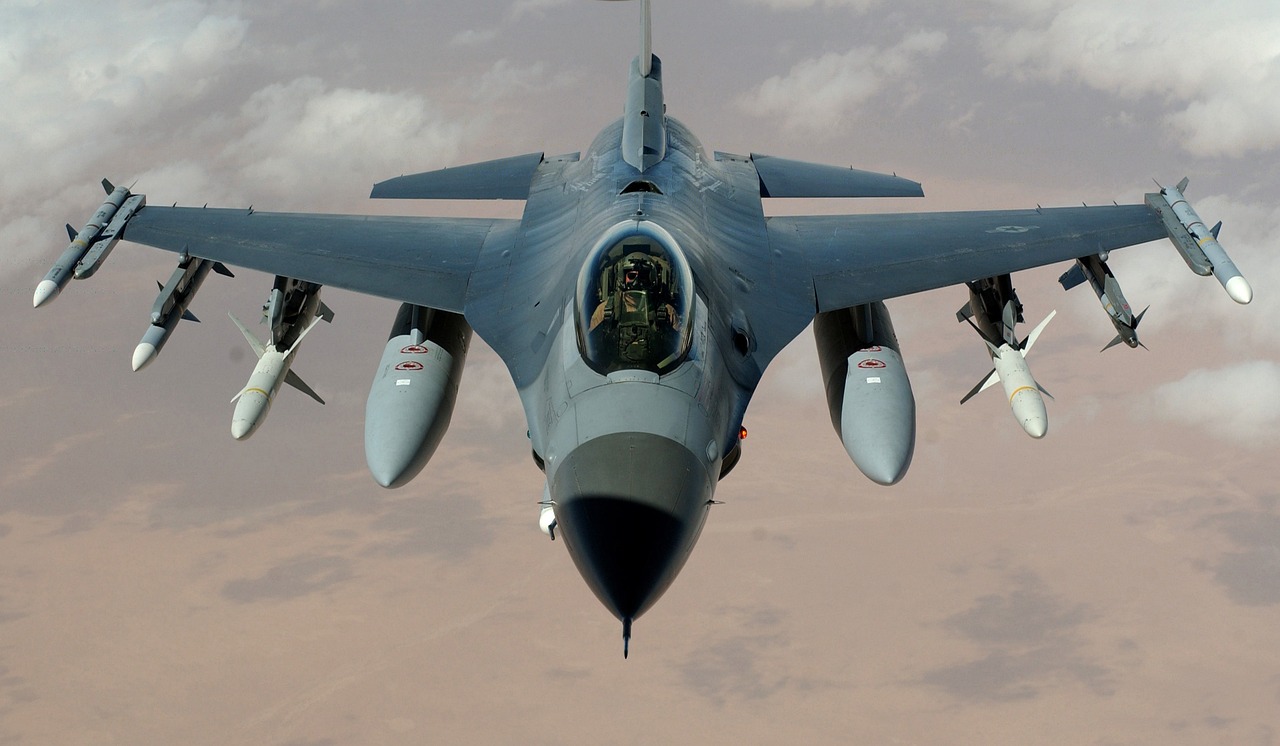
In a thought-provoking excerpt from his upcoming book, former Air Force Secretary Frank Kendall addresses the complexities and challenges associated with regulating autonomous weapons systems. As military technology continues to advance, the line between traditional weaponry and autonomous systems becomes increasingly blurred, raising critical questions about ethics, accountability, and effectiveness in combat.
Kendall articulates that while there is a growing call for arms control in the realm of autonomous systems, the practical implementation of such regulations remains fraught with difficulties. This is particularly relevant as nations race to develop advanced drones and unmanned systems that can operate with varying degrees of autonomy. The implications of these technologies are profound, potentially changing the nature of warfare and decision-making processes in combat scenarios.
One of the key challenges highlighted by Kendall is the inherent unpredictability of autonomous systems. Unlike conventional weapons, which are operated with direct human oversight, autonomous drones and weapons can make decisions based on algorithms and artificial intelligence. This raises concerns about unintended consequences and the potential for escalation in conflicts, as machines may react in ways that are not fully understood or anticipated by their human operators.
As countries like the United States, China, and Russia continue to invest heavily in unmanned systems, the need for a robust framework to govern their use becomes increasingly urgent. Kendall’s insights serve as a reminder of the importance of balancing innovation with ethical considerations in military applications. As the international community grapples with the future of warfare, the discourse surrounding autonomous weapons will likely play a pivotal role in shaping defense policies and military strategies worldwide.