Air ·
Boeing's Autonomous Technology Successfully Lands Chinook Helicopter
Boeing has demonstrated its advanced A2X software by autonomously guiding a CH-47 Chinook helicopter through a successful landing, marking a significant milestone in aviation automation.
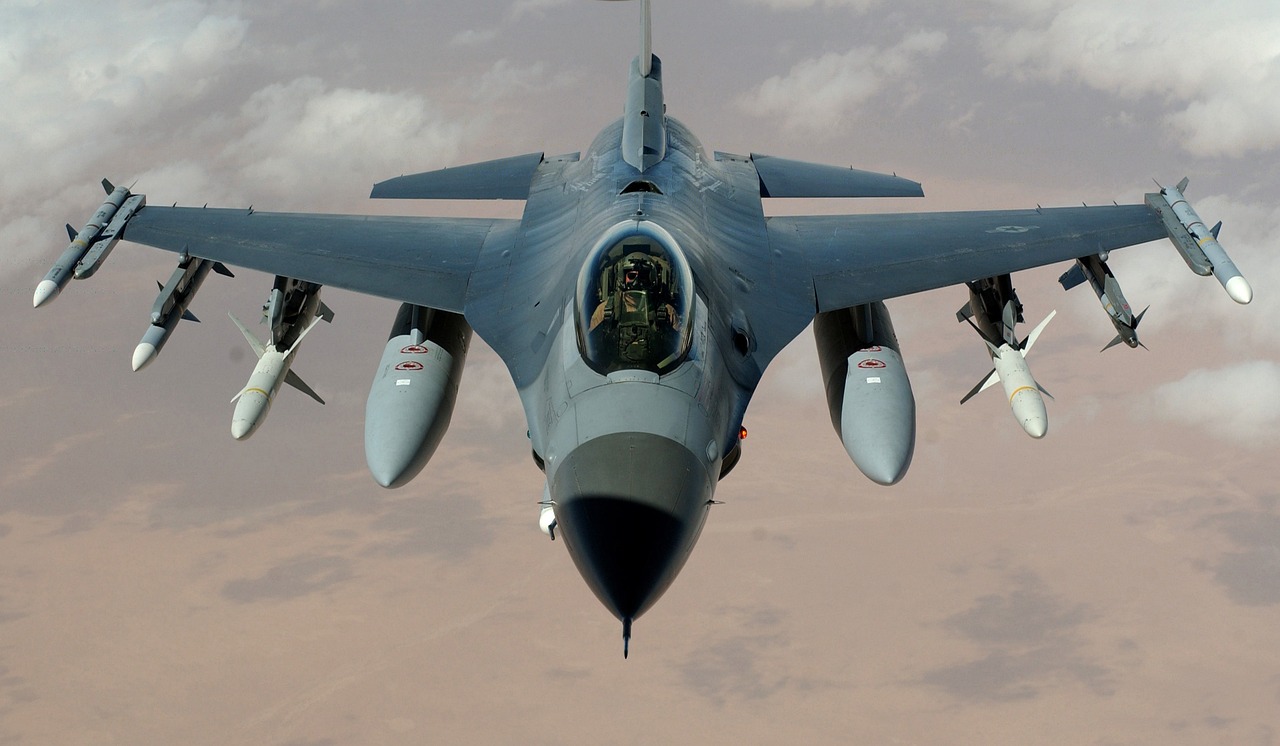
Boeing has achieved a remarkable feat in aviation technology by successfully landing a CH-47 Chinook helicopter autonomously, utilizing its A2X software. This landmark event marks a significant step forward in integrating artificial intelligence and automation into military aviation operations. The CH-47 Chinook, a versatile cargo helicopter used by the U.S. Army, is now equipped with advanced capabilities that could enhance mission effectiveness while reducing human error.
The A2X software is designed to assist pilots with various flight operations, including navigation, landing, and emergency procedures. By demonstrating its capability to autonomously guide the Chinook through its final approach and landing, Boeing is paving the way for future applications of this technology in more complex and demanding environments. This innovation not only boosts the operational efficiency of the Chinook but also highlights the potential for increasing safety in military aviation, where human factors often play a critical role.
As military operations become increasingly complex, the need for reliable and adaptable unmanned systems is paramount. Boeing's success with the Chinook could lead to broader applications of autonomous technologies across other aircraft types, potentially transforming the future of military aviation. The integration of autonomous flight control in helicopters could allow for more efficient logistics operations, particularly in contested environments where aircraft may face significant threats from enemy fire.
Moreover, this advancement aligns with the U.S. Army's ongoing efforts to modernize its fleet and embrace next-generation technologies. As the Army explores new capabilities, the deployment of autonomous systems is expected to play a vital role in enhancing operational readiness and sustainability. This could lead to increased reliance on unmanned systems in both combat and non-combat scenarios, further shifting the paradigm of modern warfare.
In summary, Boeing's successful autonomous landing of the Chinook helicopter represents a critical advancement in military aviation technology. As the Army continues to innovate and modernize, the integration of such technologies will undoubtedly shape the future landscape of military operations, enhancing both effectiveness and safety for personnel in the field.