Air ·
Belgium's Ambitious $1.3 Billion Counter-Drone Initiative
Belgium's defense ministry plans to invest in counter-drone technologies, emphasizing a combination of active and passive measures to protect against UAV threats.
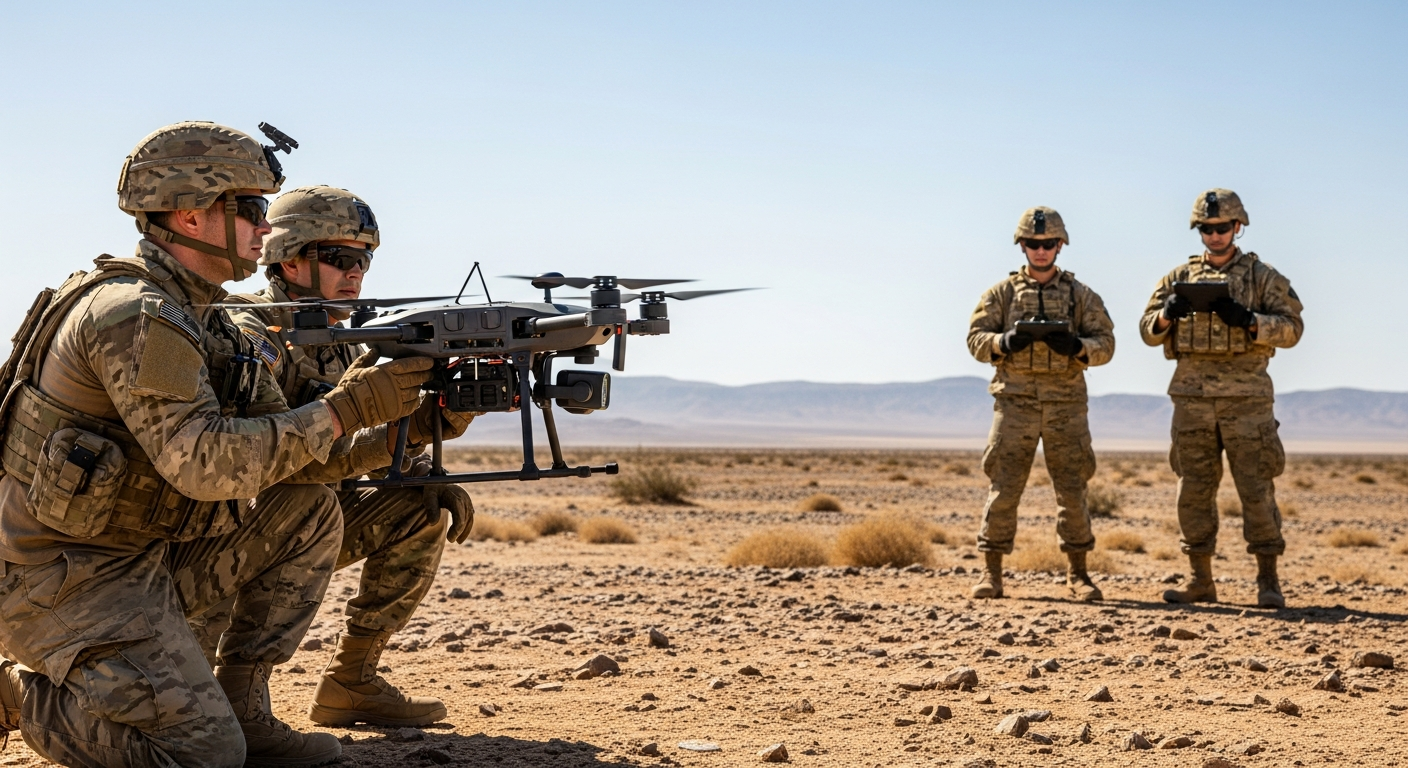
Belgium is making significant strides in bolstering its defense capabilities with a new $1.3 billion counter-drone initiative. As the proliferation of unmanned aerial systems (UAVs) continues to pose security challenges, the Belgian Ministry of Defense is focusing on developing a comprehensive strategy to counter these threats. This initiative aims to integrate a range of technologies, including detection sensors and command and control systems, to create a robust defense against potential drone attacks.
The emphasis on combining active and passive measures reflects a growing recognition of the complexities involved in countering drone threats. Active measures may include jamming signals or deploying interception drones, while passive measures could involve surveillance systems to detect and track UAVs before they can engage. By linking various effectors through a centralized command and control system, Belgium hopes to enhance its situational awareness and response capabilities in the face of evolving drone technologies.
This investment aligns with global trends where nations are increasingly prioritizing counter-drone capabilities in their defense strategies. Acknowledging the vulnerabilities associated with UAVs, Belgium's proactive approach aims to safeguard critical infrastructure and military assets from potential adversaries. As drones become more accessible and technologically advanced, the urgency for effective countermeasures becomes paramount.
The success of this counter-drone initiative will depend on collaboration with industry partners and ongoing technological advancements. As Belgium engages with various firms for this project, the focus will be on developing innovative solutions that can adapt to the dynamic drone landscape. This initiative not only reflects Belgium's commitment to national security but also positions the country as a proactive player in the broader defense community, addressing the challenges posed by unmanned systems.