Air ·
Australia Enhances Counter-Drone Capabilities with Advanced Laser Systems
Australia is investing in laser and interceptor technology to bolster its counter-drone defenses as part of the Land 156 initiative.
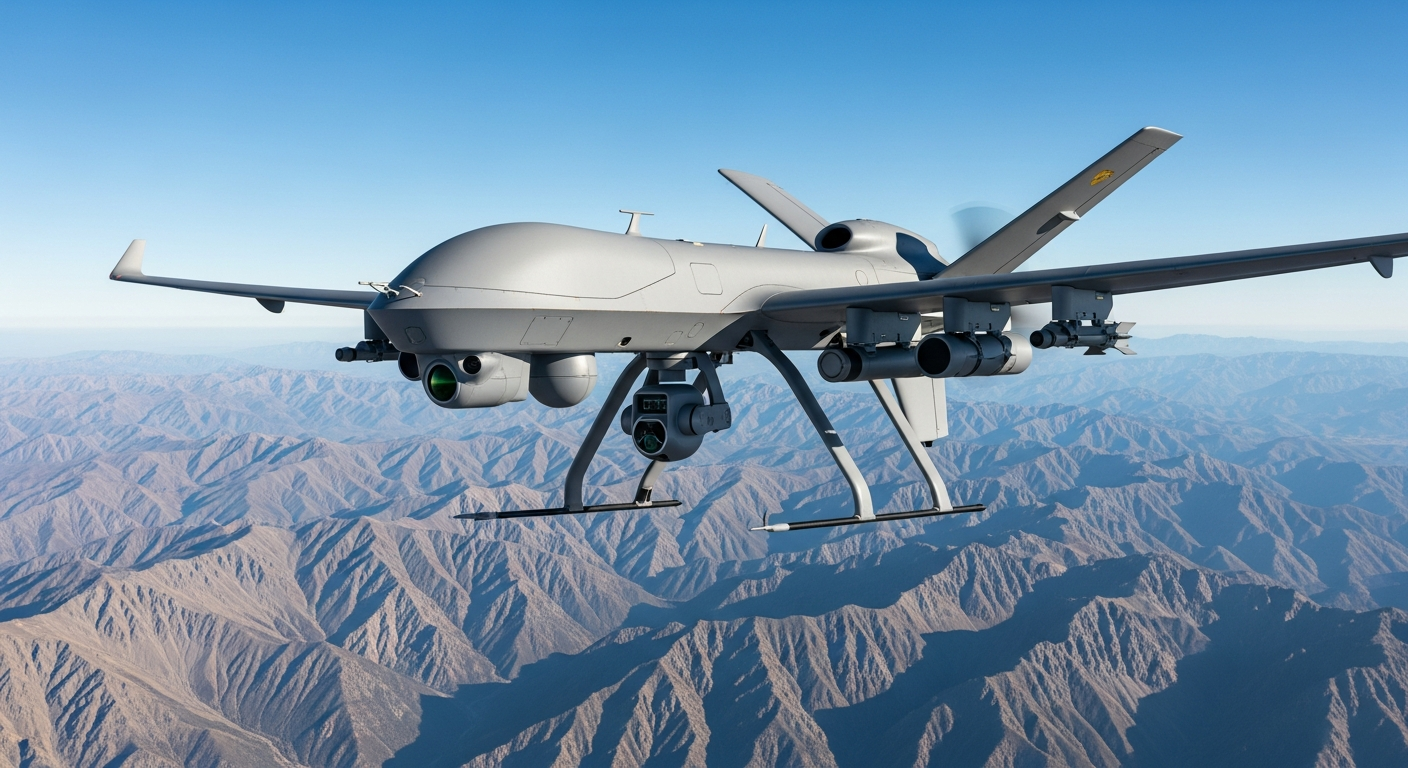
In a significant move to strengthen its counter-unmanned aerial systems (C-UAS) capabilities, Australia has awarded contracts for advanced laser and interceptor technologies. These technologies will be integrated into a command-and-control system that is being developed under the Army's Land 156 initiative. This effort aims to enhance Australia's ability to detect, track, and neutralize hostile drones in its airspace, a growing concern as drone technology becomes increasingly accessible and sophisticated.
The integration of laser systems into C-UAS frameworks represents a shift towards more precise and potentially cost-effective solutions for neutralizing aerial threats. Lasers offer the advantage of being able to engage multiple targets quickly without the logistical burden associated with traditional munitions. This is particularly vital for Australia, which faces a range of aerial threats in an expansive and diverse operational environment.
Additionally, the use of interceptors, which can physically disable hostile drones, complements laser systems by providing a multi-layered defense strategy. The combination of these technologies aims to create a robust defense network that can protect critical infrastructure and military assets from drone incursions. With the increasing prevalence of drones in both civilian and military spheres, this initiative is timely and necessary.
Australia's commitment to advancing its defense capabilities is also reflected in its recent pledge to increase defense spending by $37.9 billion over the next decade. This investment underscores the country's recognition of the evolving nature of warfare, where unmanned systems play a crucial role. As Australia prepares for future conflicts, the development of effective counter-drone solutions will be essential to maintaining its sovereignty and security.
In conclusion, the strategic implementation of advanced counter-drone technologies marks a proactive step for Australia in addressing the challenges posed by unmanned aerial threats. As these systems become operational, they will not only enhance national security but also serve as a model for allied nations facing similar challenges in the realm of drone warfare.