Land ·
Army's TACOM Engages Industry Amid Readiness Crisis to Modernize Unmanned Systems
The U.S. Army's TACOM is actively engaging with industry partners to address readiness challenges and accelerate modernization efforts for unmanned systems.
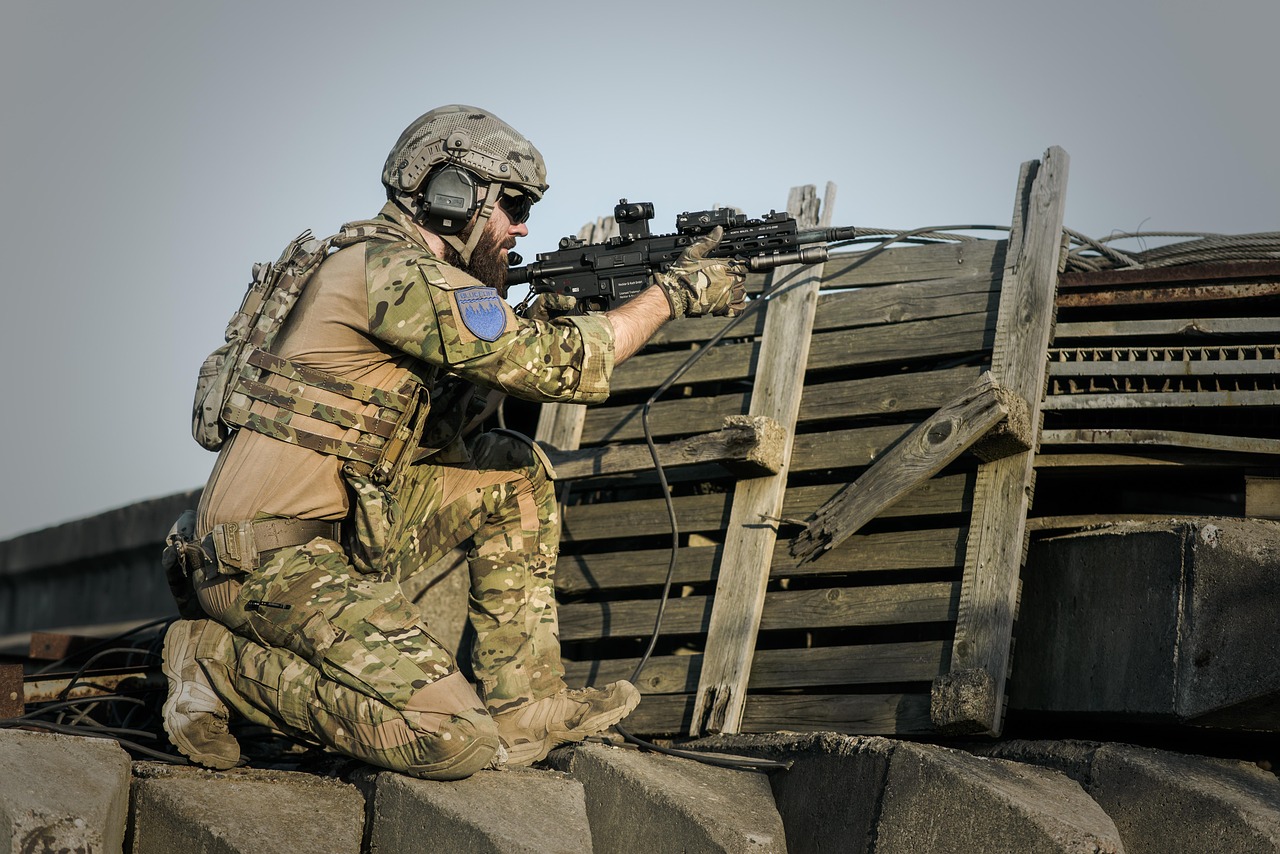
The U.S. Army's Tank-automotive and Armaments Command (TACOM) is taking proactive steps to engage with industry partners as part of an ongoing effort to address the service's readiness challenges. As Brig. Gen. Beth Behn highlighted, the Army faces an aging fleet and a pressing need for modernization that is not progressing quickly enough. By collaborating with industry, TACOM aims to leverage innovative solutions to enhance the Army's unmanned systems capabilities and overall operational effectiveness.
The readiness crisis underscores the urgency for the Army to modernize its fleet of unmanned systems, which play a critical role in current military operations. Engaging with industry allows the Army to tap into the latest technologies and advancements, ensuring that its unmanned systems are equipped with the most effective and reliable capabilities. This collaboration is essential for maintaining battlefield superiority and addressing the evolving threats posed by adversaries.
Through this engagement, TACOM is focusing on identifying gaps in current capabilities and determining how industry can provide solutions that meet the Army's needs. The Army's willingness to collaborate with private companies reflects a shift in the approach to defense procurement, emphasizing agility and responsiveness in acquiring new technologies. By fostering partnerships with industry, TACOM aims to accelerate the integration of advanced unmanned systems into Army operations.
Moreover, the collaboration between TACOM and industry partners may lead to innovative developments in unmanned vehicles, drones, and counter-drone technologies. As the military landscape evolves, the demand for effective unmanned systems will continue to grow, and this partnership approach can help ensure that the Army remains at the forefront of technological advancements. The success of these initiatives could ultimately enhance the Army's readiness and adaptability in a dynamic operational environment.
As the Army moves forward with its industry engagement strategy, it will be crucial to monitor the outcomes of these collaborations and assess their impact on readiness and modernization efforts. The emphasis on building relationships with private sector partners signals a commitment to innovation and a recognition of the importance of leveraging external expertise to enhance military capabilities. The results of these engagements could set a precedent for future public-private partnerships in defense, influencing the trajectory of unmanned systems development for years to come.