Land ·
Army's CAML Program Set to Transform Future Warfare
The U.S. Army is advancing its capabilities with the upcoming Contract Award for the Collaborative Autonomous Multi-Domain Launcher (CAML) program, aimed at enhancing firepower and operational flexibility.
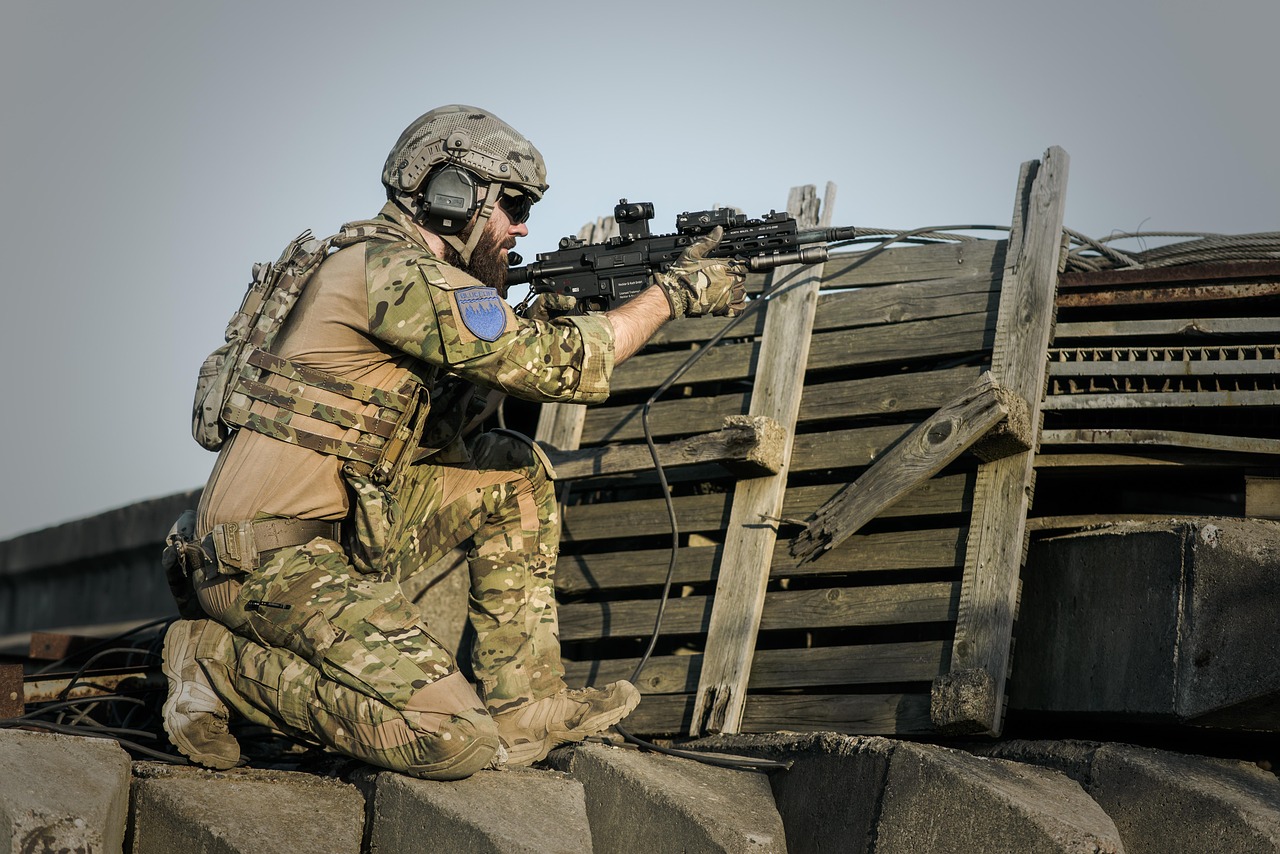
The U.S. Army is on the brink of a significant transformation in its artillery capabilities with the Collaborative Autonomous Multi-Domain Launcher (CAML) program. According to Lt. Gen. Frank Lozano, the Army is preparing to award contracts for this innovative system as early as next month. The CAML program is designed to leverage autonomous technologies to improve the speed and effectiveness of artillery fire, enabling rapid response to emerging threats on the battlefield.
CAML's focus on automation aligns with the Army's broader strategy to integrate unmanned systems into various operational domains. This initiative aims to enhance situational awareness and reduce the cognitive load on personnel during combat operations. By utilizing advanced targeting systems and AI-driven decision-making, CAML is expected to provide commanders with a powerful tool to engage enemy forces more effectively while minimizing risks to troops.
In conjunction with CAML, the Army is also in final negotiations regarding its Enhanced High Energy Laser (E-HEL) initiative, which seeks to develop high-energy laser systems for countering aerial threats. The integration of these high-energy lasers with CAML will allow for a multi-layered defense strategy, combining kinetic and non-kinetic capabilities to protect ground forces and critical assets. This dual approach showcases the Army's commitment to modernizing its defense posture in an increasingly complex battlefield environment.
As the Army moves forward with CAML and E-HEL, it is clear that the focus on unmanned systems and autonomous technology will play a pivotal role in shaping future combat operations. These advancements not only promise to enhance the effectiveness of the Army's firepower but also reflect a broader trend in military modernization that prioritizes technology-driven solutions to contemporary security challenges. The successful implementation of these programs could set the stage for a new era of warfare where automation and artificial intelligence are at the forefront of military strategy.