Air ·
Army Seeks Innovative Solutions for Aerial Resupply Challenges
The U.S. Army is exploring methods for aerial resupply to enhance logistics for the Cheyenne II MV-75 helicopters.
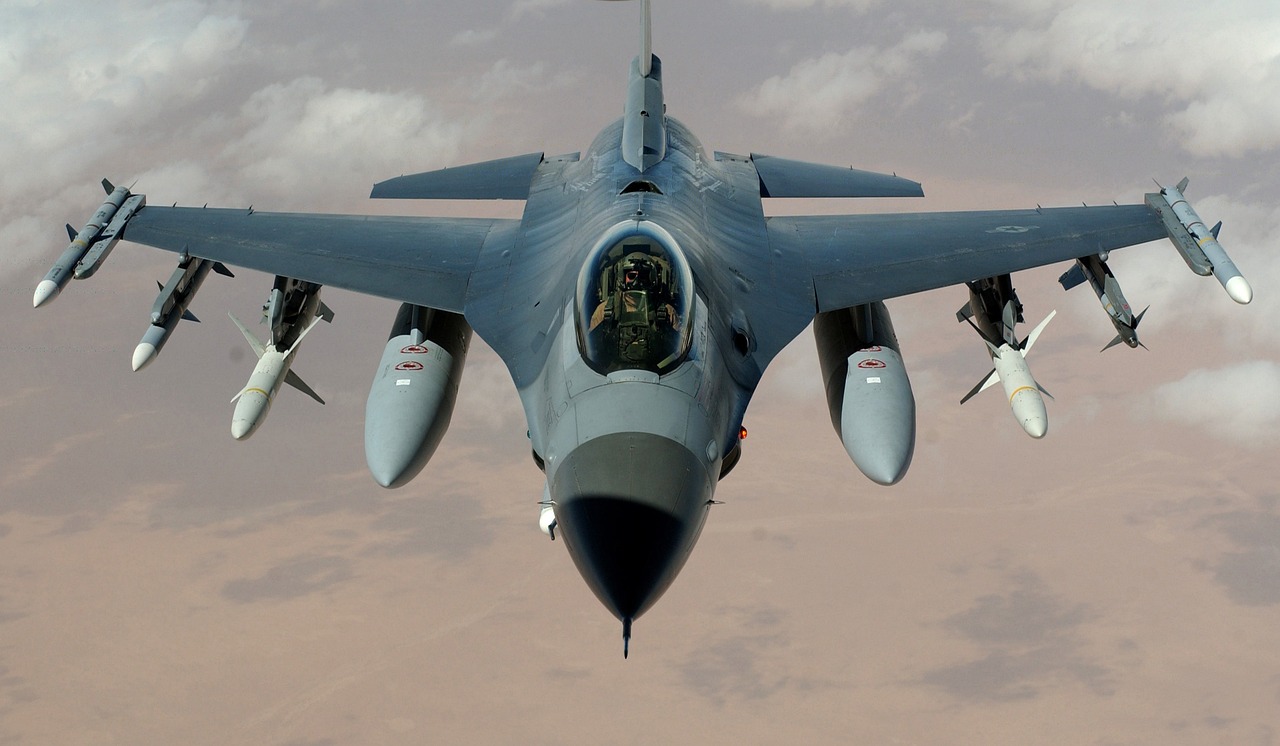
The U.S. Army is actively exploring innovative aerial resupply solutions for the Cheyenne II MV-75 helicopters, aiming to address logistical challenges that arise in sustained operations. As military engagements become increasingly complex and spread across vast distances, the ability to efficiently resupply aerial assets is critical for maintaining operational readiness and effectiveness. The Army's interest in this area reflects a broader trend of seeking advancements in logistics and support systems for modern aerial platforms.
Maj. Gen. Clair Gill, from the Army's Maneuver Air division, emphasized the need for organic logistical support for the MV-75, highlighting that current capabilities do not adequately meet the requirements of the Army's operational scenarios. By developing aerial resupply solutions, the Army aims to ensure that the Cheyenne II can remain in the field longer, conducting missions without the constant need to return to base for refueling or rearming. This capability would significantly enhance the helicopter's operational flexibility and mission success rates.
The exploration of aerial resupply also opens the door for collaboration with industry partners who specialize in unmanned systems and logistics technologies. Innovations in drone technology could play a pivotal role in facilitating these aerial resupply missions, potentially using unmanned aerial vehicles (UAVs) to transport fuel and supplies to the MV-75 in forward operating areas. This would not only improve the efficiency of resupply operations but also reduce the risk to personnel involved in traditional supply runs.
Additionally, advancements in autonomous refueling technologies could further streamline the process, allowing for rapid and precise delivery of essential supplies. As the Army continues to adapt to the challenges of modern warfare, the integration of unmanned systems into its logistics framework will be crucial for maintaining a competitive edge.
In conclusion, the Army's focus on aerial resupply solutions for the Cheyenne II MV-75 underscores the importance of logistical innovation in military operations. By leveraging new technologies and exploring collaborative opportunities with industry, the Army aims to enhance its operational capabilities and ensure sustained success in complex combat environments.