Air ·
Army Opens Test Ranges to Private Industry for Drone Development
The U.S. Army has opened its test ranges to private industry, aiming to accelerate the development and testing of unmanned systems and counter-drone technologies.
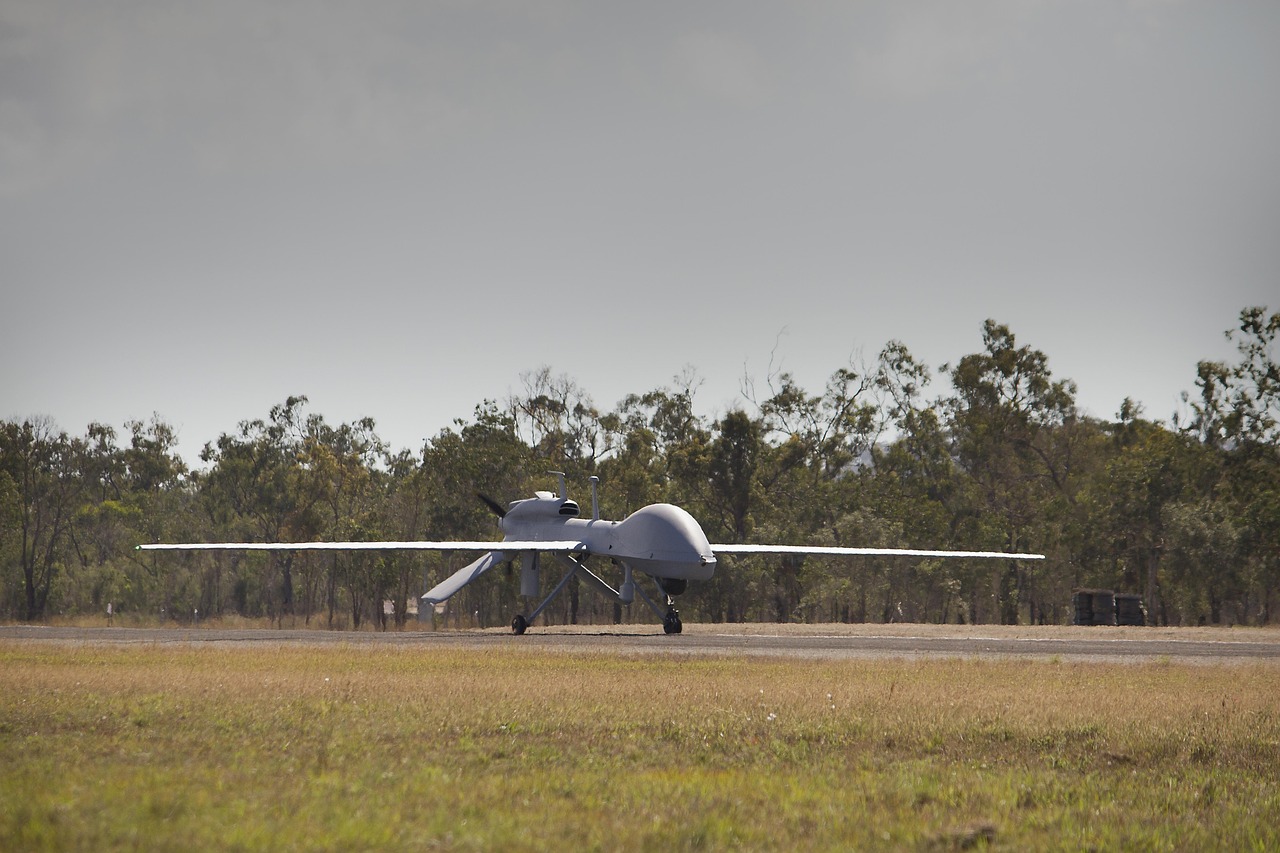
In a significant move to enhance its technological capabilities, the U.S. Army has announced the opening of its test ranges to private industry. This initiative is designed to facilitate rapid development and testing of various unmanned systems, including drones, counter-drone systems, long-range fires, and low-cost interceptors. By collaborating with private sector partners, the Army aims to bridge the gap between technological innovation and military application, ensuring that the latest advancements can be effectively integrated into operational strategies.
The decision to engage the private sector comes at a time when the Army is facing heightened challenges in terms of modernization and readiness. Brig. Gen. Beth Behn, commanding general of the Army's Tank-automotive and Armaments Command (TACOM), emphasized that the Army currently has an aging fleet and is looking for innovative solutions to enhance its operational capabilities. By leveraging private industry expertise, the Army hopes to expedite the introduction of advanced unmanned systems that can address emerging threats on the battlefield.
Moreover, this initiative could lead to significant cost savings and efficiency gains in the development of military technology. The Army has recognized that traditional procurement processes can be slow and cumbersome, often delaying the introduction of critical capabilities. By allowing private companies to test their systems in Army facilities, the service not only accelerates the testing process but also fosters a culture of innovation, encouraging companies to think creatively and propose novel solutions to complex military problems.
The engagement with private industry is also expected to promote competition among defense contractors, which could result in more affordable and effective unmanned systems. As companies race to provide the Army with the best solutions, the service will benefit from a wider array of options, ultimately enhancing its operational flexibility. This collaboration is particularly important in the realm of counter-drone technologies, where rapid advancements are necessary to counter the evolving threats posed by adversarial unmanned systems.
As the Army moves forward with this initiative, it will be critical to establish clear guidelines and objectives for private sector collaboration. Ensuring that the testing and development process aligns with military needs while maintaining the agility and innovation of the private sector will be a complex but essential task. The success of this effort could serve as a model for future public-private partnerships in defense, potentially reshaping the landscape of military technology development for years to come.