Air ·
Army Leaders Seek Innovative Intelligence Tools to Enhance Operational Effectiveness
The U.S. Army is drafting a guiding document to solicit advanced intelligence tools from industry, aiming to bolster its capabilities in modern warfare.
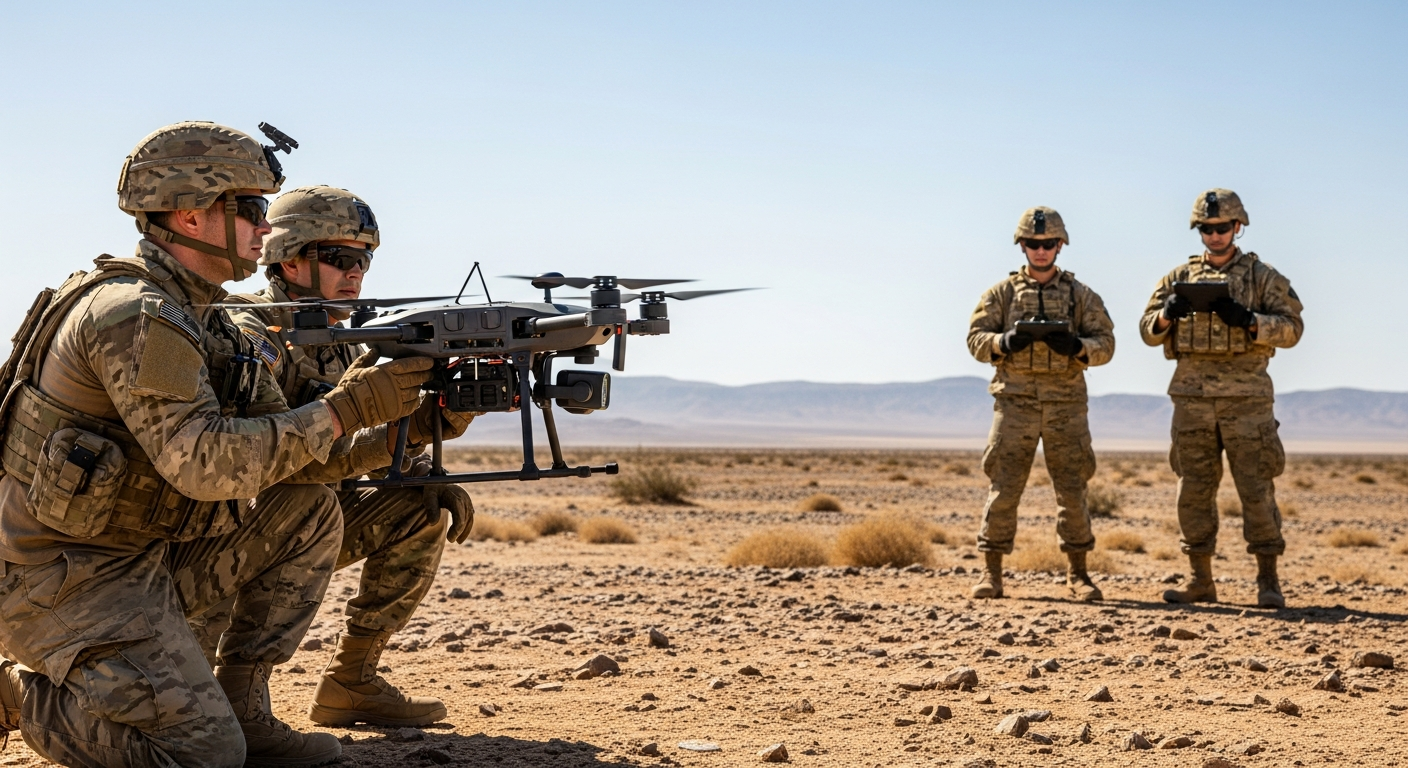
The U.S. Army is actively drafting a guiding document designed to solicit new intelligence tools from industry partners, reflecting its commitment to enhancing its operational effectiveness. This initiative aligns with the Army's broader strategy to modernize its forces and adapt to the evolving demands of contemporary warfare. By focusing on innovative intelligence solutions, the Army aims to improve situational awareness and decision-making processes in complex environments.
This initiative, characterized as a characteristics of need (CoN) approach, is reminiscent of previous efforts to upgrade communications and electromagnetic spectrum capabilities. The Army recognizes that the modern battlefield relies heavily on real-time data and analytics, making advanced intelligence tools essential for mission success. By engaging with industry, the Army hopes to tap into cutting-edge technologies that can provide actionable insights and enhance its overall operational posture.
Moreover, the integration of artificial intelligence (AI) and machine learning into intelligence processes is likely to be a focal point of this initiative. These technologies can significantly streamline data analysis, compressing hours of manual work into seconds, a necessity in scenarios where time is of the essence. As the Army seeks to harness these capabilities, partnerships with tech firms specializing in AI will be crucial to realizing this vision.
The potential impact of this initiative extends beyond traditional intelligence-gathering methods. By embracing new technologies, the Army can improve its drone and unmanned systems' effectiveness in reconnaissance and surveillance roles. This could lead to more precise targeting and enhanced mission outcomes, especially in environments where adversaries employ countermeasures against conventional intelligence efforts.
In conclusion, the U.S. Army's push for innovative intelligence tools signifies a strategic move toward modernization and adaptability in warfare. As industry partners respond to this guiding document, the Army's ability to integrate these advanced capabilities will be paramount in shaping the future of military operations.