Land ·
Army Faces Power Challenges with New Drone Technologies
The U.S. Army is addressing a power crunch as new unmanned systems and networks come online, seeking innovative solutions beyond traditional batteries.
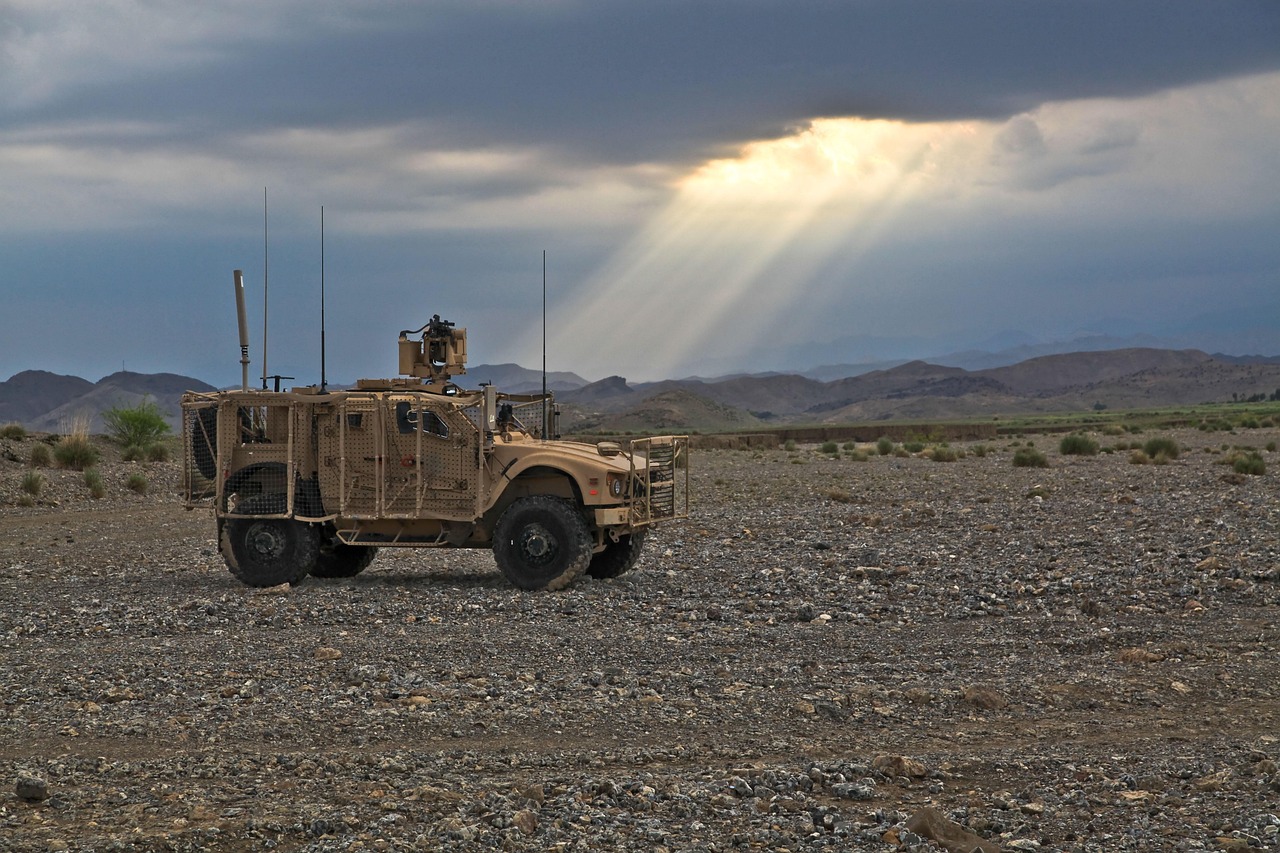
As the U.S. Army integrates more advanced unmanned systems and drones into its operational framework, a significant challenge has emerged: a power crunch. Senior officials, including Brig. Gen. Troy Denomy, have highlighted the pressing need for innovative power solutions that extend beyond conventional batteries and generators. With the increasing reliance on technology, the demand for robust and efficient energy sources has never been greater.
The Army's modernization efforts, which encompass new drones and networked systems, require substantial power to operate effectively. This includes not only the drones themselves but also the ground support systems and communication networks essential for their operation. As the Army looks to enhance its capabilities, the traditional approach of merely increasing the number of generators is deemed insufficient to meet future demands. Instead, there is a call for the industry to explore alternative energy solutions, such as fuel cells or solar energy technologies, which could provide a more sustainable and efficient power supply.
The implications of this power crunch extend to operational readiness and effectiveness. As unmanned systems become integral to modern warfare, the inability to provide sufficient power could hinder mission success and limit the Army's technological edge. Therefore, addressing these energy challenges is critical to maintaining operational capabilities in various environments, including austere and remote locations where logistics can be particularly challenging.
In response to this issue, the Army is actively engaging with industry partners to identify and develop innovative energy solutions that align with their operational requirements. This collaborative approach not only seeks immediate fixes but also aims to establish long-term strategies for energy sustainability. By fostering partnerships with technology companies, the Army hopes to leverage cutting-edge research and development to create energy-efficient systems that can power the next generation of unmanned vehicles and drones.
As the Army continues to evolve its capabilities, finding solutions to the power crunch will be essential for the successful integration of unmanned systems into future operations. The lessons learned from addressing these energy challenges may also provide valuable insights for other branches of the military, as they strive to modernize their own fleets of drones and unmanned systems. Ultimately, overcoming these power issues will play a crucial role in enhancing the Army's overall effectiveness on the battlefield.