Land ·
Army Awards Contracts for Last Tactical Mile Unmanned Systems
The U.S. Army has awarded prototype contracts to six companies to develop unmanned systems for the Last Tactical Mile program, enhancing ground operations.
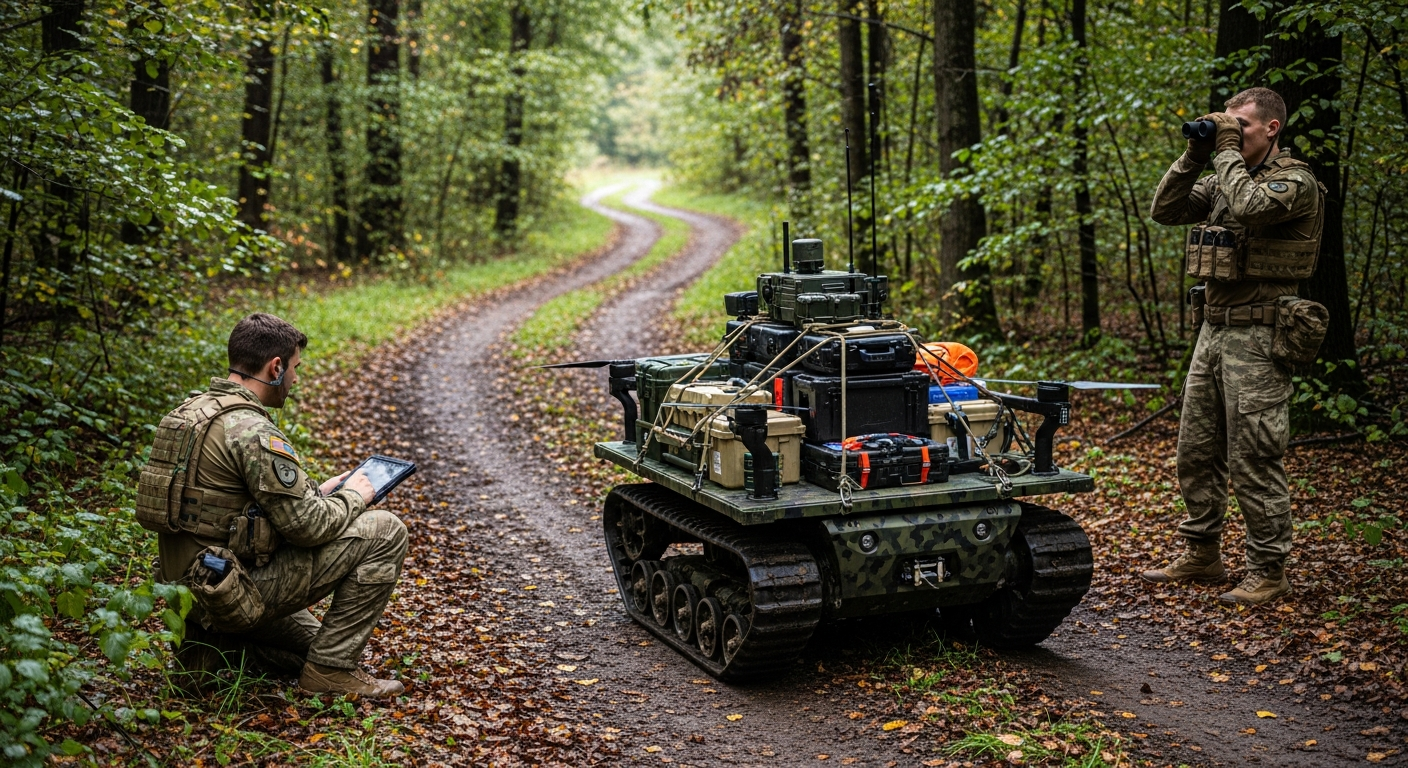
The U.S. Army has taken a significant step forward in enhancing its ground operations by awarding prototype contracts to six companies as part of its Last Tactical Mile program. This initiative aims to develop unmanned ground vehicles (UGVs) that can effectively deliver supplies and support to troops in the final stages of their missions. The awarded companies include Maren-Go, Overland AI, Forterra, Hendrick’s Motorsports, American Rheinmetall, and HDT, each bringing unique capabilities to the table.
The Last Tactical Mile program addresses a critical challenge in modern warfare—ensuring that soldiers receive timely resupply and support, particularly in contested environments. UGVs developed under this initiative are expected to enhance logistical capabilities, reducing the risk to personnel by automating supply deliveries. This transition towards unmanned logistics represents a pivotal shift in how the Army plans to support its forces in the field.
Each awarded company will work on developing prototypes that cater to the specific needs of ground operations. This includes varying payload capacities, terrain adaptability, and autonomous navigation technologies. By leveraging the expertise of multiple companies, the Army aims to foster innovation and ensure that the most effective solutions are implemented in the field.
The integration of UGVs into the Last Tactical Mile program is part of a broader trend within the Army to incorporate more unmanned systems into its operational framework. As the challenges of modern warfare become increasingly complex, the Army recognizes the necessity of utilizing advanced technologies to maintain operational effectiveness and enhance soldier safety. The success of this program could pave the way for a more robust unmanned logistics capability in future military operations.