Air ·
Airbus Tests New Interceptor Drone to Combat One-Way Attack Drones
Airbus has successfully tested its Bird of Prey interceptor drone, designed to engage one-way attack drones, significantly enhancing aerial defense capabilities.
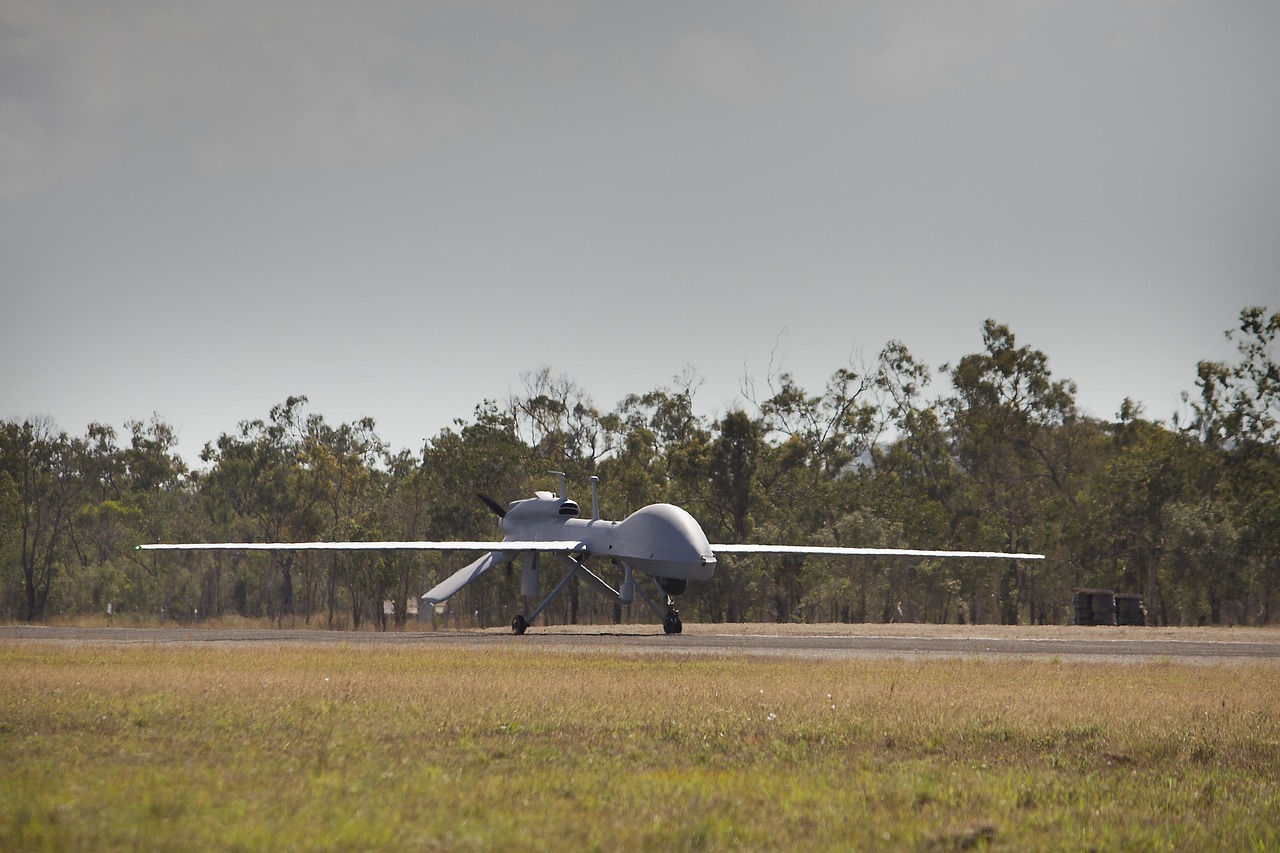
In a significant step toward modern aerial defense, Airbus has demonstrated its Bird of Prey interceptor drone, specifically designed to counter one-way attack drones. During the test flight in northern Germany, the Bird of Prey engaged a target drone using a Mark I air-to-air missile created by Frankenburg Technologies. This marks a pivotal moment in the fight against evolving drone threats, as these one-way attack drones become increasingly utilized by adversaries around the globe.
The Bird of Prey interceptor is part of a larger trend in military aviation toward more automated and agile defense systems. By leveraging advanced technologies, such as artificial intelligence and machine learning, the Bird of Prey aims to identify and neutralize threats with greater speed and accuracy than traditional systems. The integration of missiles into the drone's arsenal further enhances its capability to defend against multiple types of aerial threats, including swarms of small drones.
Airbus's focus on developing counter-drone solutions speaks to the urgency felt by military planners worldwide. As drone technology proliferates, adversaries have begun to employ cheaper, more expendable drones in various military strategies. This shift necessitates the development of economically viable interception solutions, which the Bird of Prey aims to achieve by minimizing operational costs while maximizing engagement efficiency.
The successful test flight of the Bird of Prey is expected to initiate further discussions among NATO allies regarding the implementation of similar systems in their defense strategies. As nations reassess their aerial capabilities in light of recent conflicts, the demand for innovative solutions to counter unmanned threats will likely drive collaborations and investment in the development of advanced drone defense technologies. Airbus's interceptor is poised to play a significant role in future military operations as the landscape of aerial warfare continues to evolve.