Air ·
Air Force's Cyber Campaign Plan Addresses AI Threats
The U.S. Air Force is developing a comprehensive campaign plan to defend against emerging AI-driven cyber threats, highlighting a significant shift in military cybersecurity strategy.
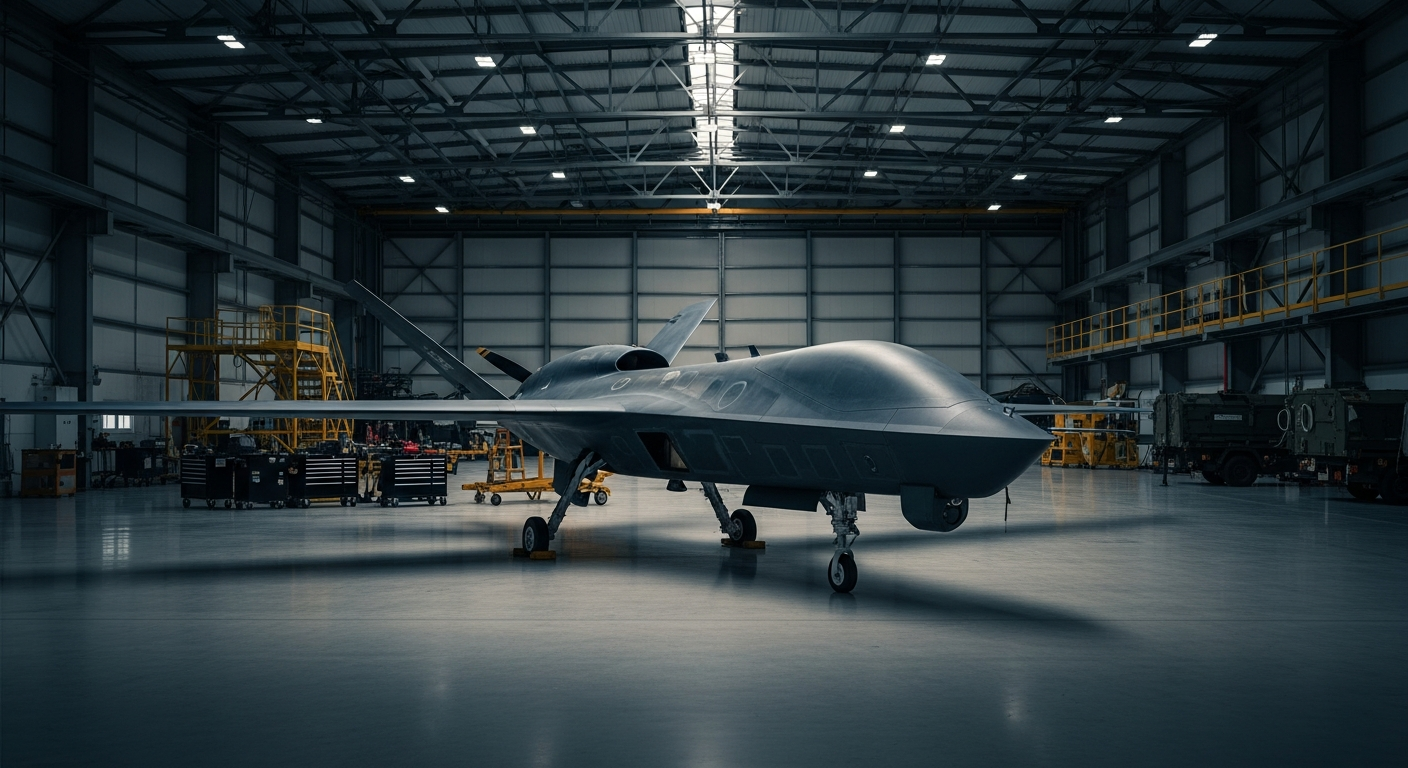
The U.S. Air Force is at a pivotal moment in addressing the evolving landscape of cyber threats, particularly those driven by artificial intelligence (AI). During a recent statement, Lt. Gen. Thomas Hensley, commander of the 16th Air Force, emphasized that the military is recognizing the need for more robust defenses against increasingly sophisticated cyber adversaries. This campaign plan aims to enhance the Air Force's capabilities in safeguarding its networks and data from AI hackers, marking a significant shift in the approach to cyber warfare.
The rise of AI technologies poses unique challenges for military networks, as these systems can analyze vast amounts of data and execute cyberattacks with unprecedented speed and precision. As adversaries adopt these technologies, the Air Force is compelled to innovate its cyber defense strategies continuously. By developing a campaign plan that focuses on integrating advanced AI tools into its defensive operations, the Air Force aims to create a more resilient and adaptive cyber posture.
Beyond merely reacting to threats, the campaign plan will also emphasize proactive measures, including the use of AI to predict potential attack vectors and bolster overall cybersecurity infrastructure. The goal is to ensure that the Air Force's cyber capabilities are not only robust against current threats but also adaptable to future challenges as technology continues to evolve. This proactive stance is critical for maintaining operational superiority in an increasingly digitized battlefield.
The initiative aligns with broader military efforts to integrate AI across various domains, including aerial and ground operations. As the Air Force continues to invest in AI technologies for drone operations and other unmanned systems, the synergy between these advancements and cybersecurity will be crucial. The campaign plan is expected to set a precedent for how military branches approach cybersecurity, particularly concerning the intersection of AI and defense strategies.
In summary, the Air Force's development of a cyber campaign plan reflective of AI threats represents a forward-thinking approach to defense in the digital age. As military operations become more reliant on technology, the integration of AI in both offensive and defensive strategies will be vital for ensuring national security against evolving cyber threats.