Air ·
Air Force Pursues Advanced Counter-Drone Solutions Amid Rising Threats
The U.S. Air Force is actively seeking innovative ideas for systems capable of detecting and neutralizing small unmanned aerial systems (UAS) as part of its ongoing efforts to enhance base defense.
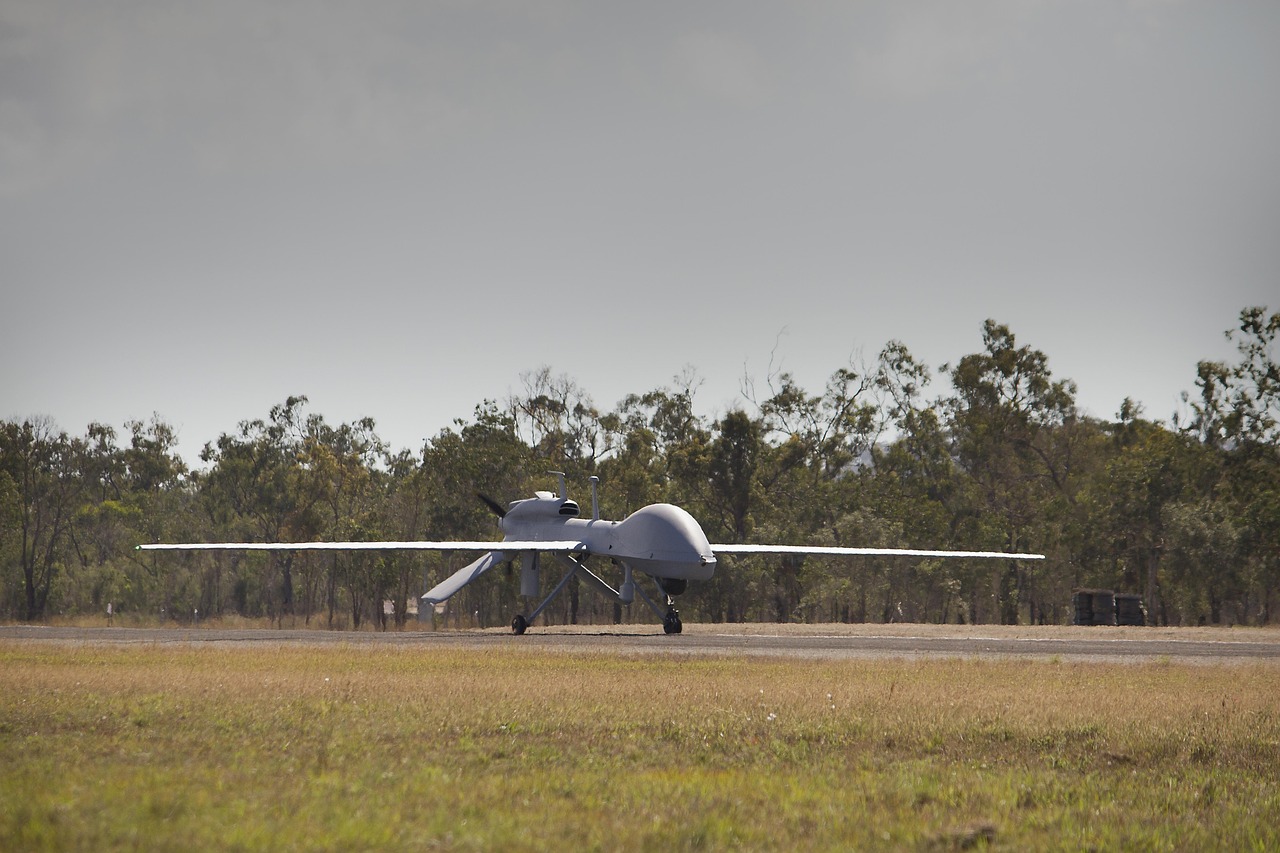
In response to the increasing prevalence of small unmanned aerial systems (UAS) in modern warfare, the U.S. Air Force has released two Requests for Information (RFIs) aimed at developing both detection and hard-kill capabilities. These initiatives reflect a pressing need to bolster base defense against threats posed by adversarial drones, which have been increasingly used in various global conflicts. The Air Force's proactive approach highlights its recognition of the evolving landscape of warfare, where UAS have become formidable tools for surveillance and attack.
The RFIs specifically seek innovative ideas from industry partners on technologies that can effectively track and eliminate small drone threats. This could involve a combination of radar systems, electronic warfare solutions, and kinetic interceptors. The urgency of these requests stems from incidents across multiple theaters of operation where enemy UAS have successfully engaged military assets, underscoring the critical need for advanced countermeasures.
This move follows previous investments in counter-drone systems, such as the Dronebuster series, which have been deployed to various military bases. The Air Force's exploration of new technologies signifies its commitment to staying ahead of adversaries who are rapidly adapting their tactics to exploit vulnerabilities in U.S. defenses. As the operational environment becomes more complex, the integration of cutting-edge counter-UAS technologies will be vital for maintaining air superiority and protecting ground forces.
The Air Force's call for proposals also invites collaboration with startups and established defense contractors, fostering a competitive landscape that could yield innovative solutions. With advancements in artificial intelligence and machine learning, potential candidates may leverage these technologies to enhance detection accuracy and response times. Ultimately, the success of these initiatives will hinge on the ability to develop systems that can operate effectively in various conditions while minimizing collateral damage.
As the Air Force continues to refine its strategies to counter UAS threats, the insights gained from this RFI process will likely influence future procurement decisions. The results of these initiatives could redefine how the military approaches drone warfare and defense, ensuring that U.S. forces remain equipped to counter the evolving challenges posed by unmanned systems on the battlefield.