Air ·
Air Force Collaborates with GE and Rolls-Royce for Next-Gen Drone Engines
The U.S. Air Force has awarded contracts to GE and Rolls-Royce to develop new medium thrust engines for future drone applications.
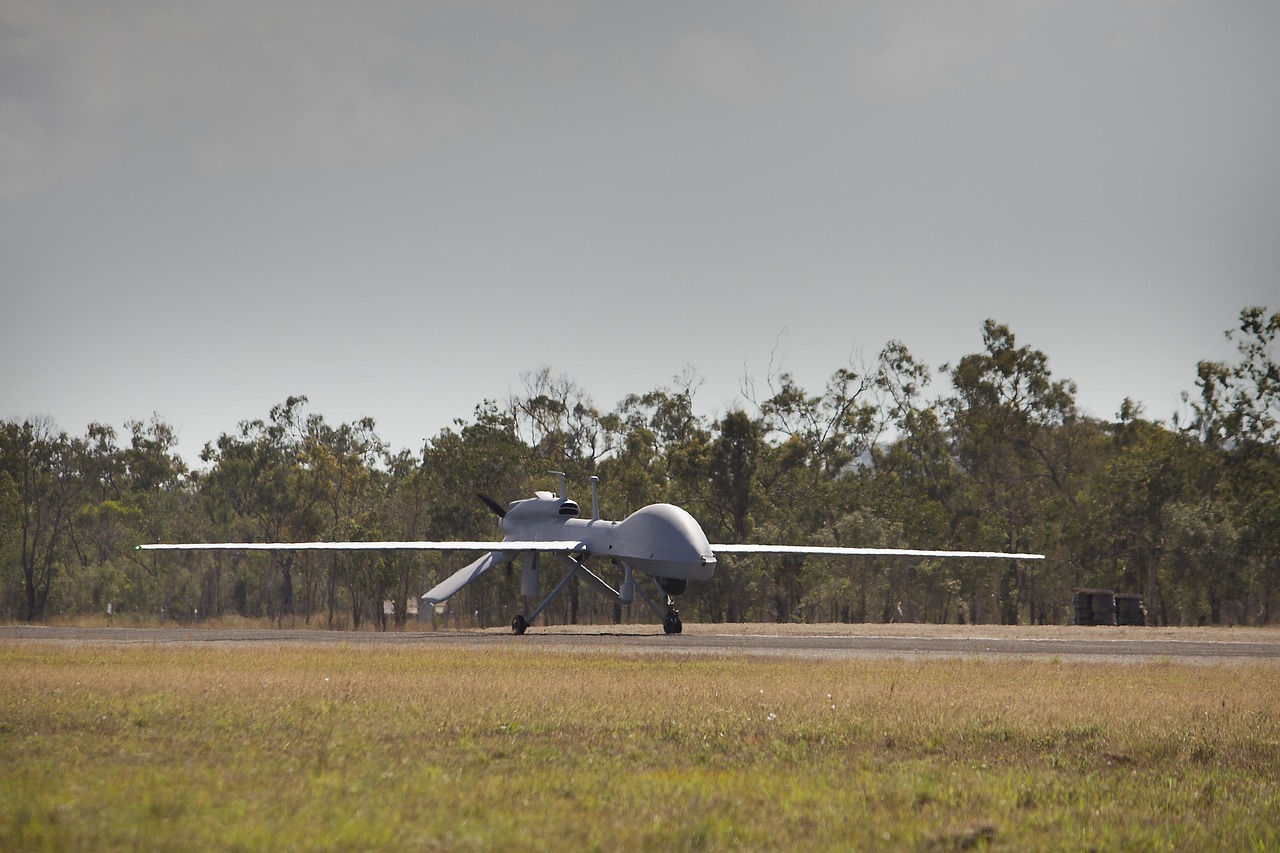
In an effort to enhance its unmanned aerial capabilities, the U.S. Air Force has awarded significant contracts to General Electric (GE) and Rolls-Royce for the development of medium thrust drone engines. These engines are expected to power a new generation of unmanned aerial vehicles (UAVs) designed for various mission profiles, including combat and surveillance. The initiative reflects a growing recognition of the importance of advanced propulsion systems in maximizing the operational effectiveness of drones.
The collaboration with GE and Rolls-Royce is pivotal as the Air Force seeks to modernize its unmanned fleet. The new engines will not only improve performance but also increase the endurance and range of medium-thrust UAVs, allowing them to operate in more contested environments. This development comes at a time when military operations are evolving rapidly, necessitating more capable unmanned systems that can adapt to emerging threats.
As global military engagements become more complex, the demand for versatile and robust UAVs is higher than ever. The integration of advanced engine technology will enable drones to carry out an array of missions, from intelligence gathering to combat operations, with improved efficiency and reliability. The Air Force's investment in these technologies signals a strategic shift towards enhancing drone capabilities in line with modern warfare requirements.
Furthermore, the partnership with leading aerospace manufacturers like GE and Rolls-Royce emphasizes the necessity for innovation in the defense sector. As both companies bring their vast expertise in aerospace propulsion, the resulting engines are likely to set new standards for performance in unmanned flight. The Air Force aims to leverage these advancements to maintain technological superiority in aerial combat and reconnaissance.
Ultimately, the development of next-generation drone engines will play a crucial role in shaping the future of unmanned operations within the U.S. military. As the Air Force implements these new technologies, it will likely influence how other military branches and allied nations approach their own unmanned systems, driving a broader transformation in aerial warfare.