Air ·
AI in Combat: Enhancing Unmanned Systems and Operational Effectiveness
The recent Apache crew rescue underscores the critical role of AI in managing networks of unmanned systems for effective combat operations.
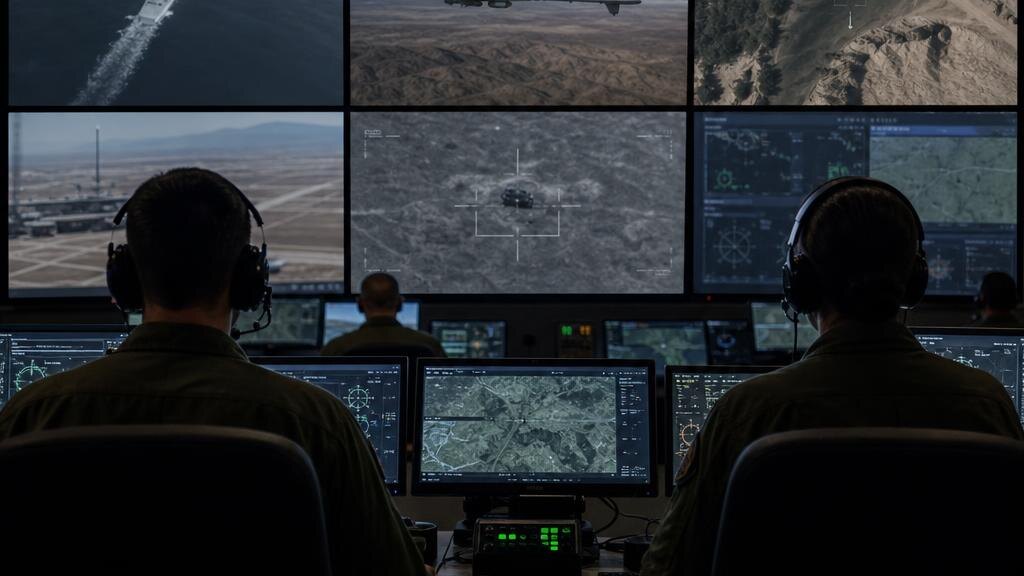
The integration of artificial intelligence (AI) into military operations is transforming the landscape of combat, as highlighted by a recent rescue mission involving Apache crews. Joint Chiefs of Staff Chairman Gen. Dan Caine emphasized the importance of AI in managing networks of unmanned systems, which can operate across vast distances, enhancing situational awareness and operational effectiveness. The ability to quickly coordinate multiple unmanned assets can be pivotal in high-stakes scenarios, potentially saving lives and achieving mission objectives.
AI technology enables military units to leverage a range of unmanned systems, such as drones and ground robots, to create a more responsive and flexible combat environment. For instance, during the Apache crew rescue, AI facilitated the rapid deployment of support assets, demonstrating the potential for AI to streamline decision-making processes in real-time. This capability is particularly critical in scenarios where timely information and swift action are essential to secure the safety of personnel.
As military forces worldwide continue to develop and integrate AI into their operations, the implications for unmanned systems are profound. AI can enhance the effectiveness of aerial drones, ground robots, and other unmanned vehicles by enabling them to operate autonomously, adapt to changing conditions, and make informed decisions without direct human intervention. This shift towards automated systems is expected to redefine how military operations are conducted, emphasizing speed, efficiency, and precision.
However, the rapid advancement of AI technology also raises important ethical and operational considerations. Critics warn that the pace of AI military targeting may outstrip human capacity for authentication, potentially leading to unintended consequences. As militaries adopt these technologies, establishing robust oversight and ethical frameworks will be critical to ensure that AI enhances rather than complicates military operations.
In summary, the integration of AI into combat operations is reshaping the role of unmanned systems in military strategy. The Apache crew rescue serves as a compelling example of how AI can enhance operational efficiency and effectiveness, marking a pivotal moment in the evolution of military technology. As the armed forces continue to embrace these advancements, the focus will be on balancing the benefits of AI integration with the necessary ethical considerations.