Air ·
AeroVironment Expands Production of Drone-Killer Missiles
The U.S. Army is increasing production of AeroVironment's drone-killer missile, Freedom Eagle-1, to enhance counter-drone capabilities amidst rising aerial threats.
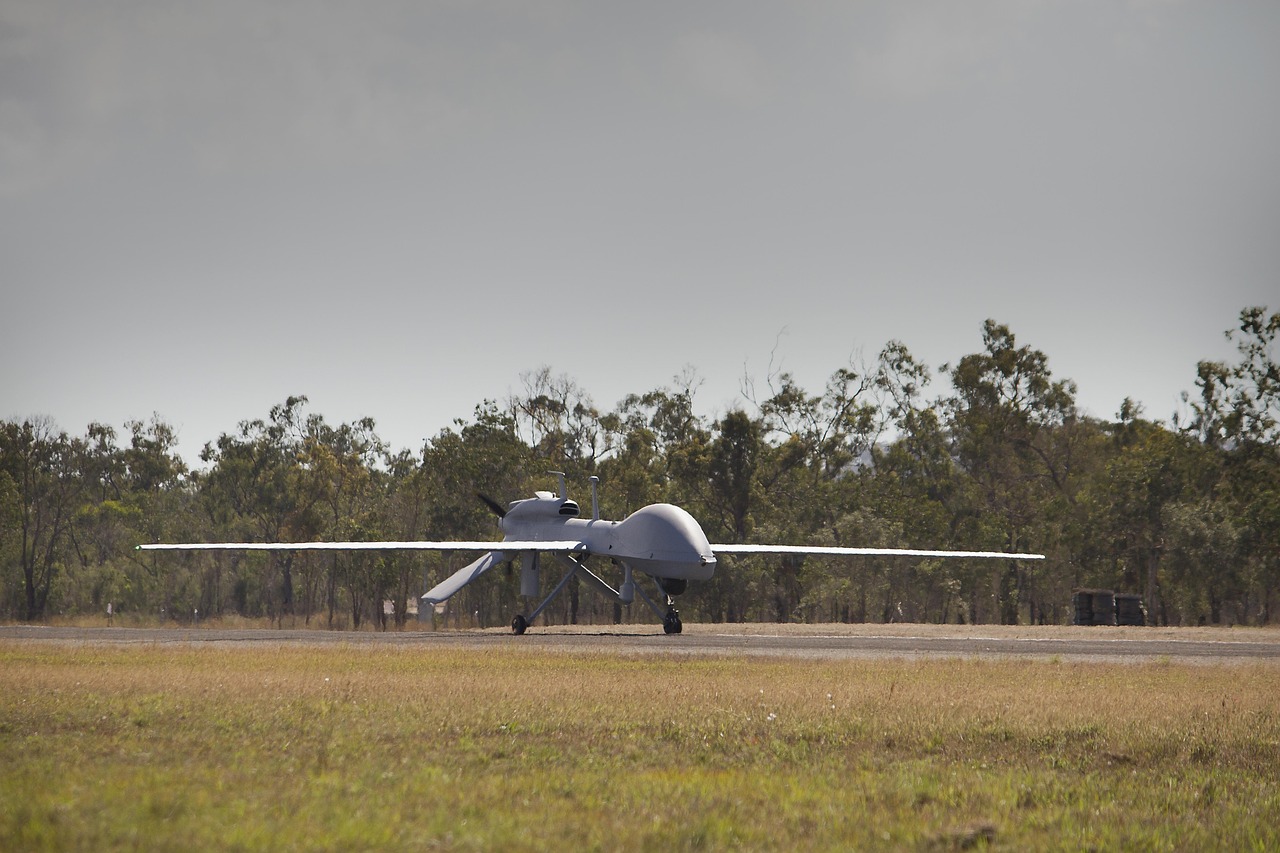
In response to the growing prevalence of drones on the battlefield, the U.S. Army is investing $20 million to expand production capabilities for AeroVironment's Freedom Eagle-1 missile. This low-cost interceptor is specifically designed to target and neutralize enemy drones, representing a strategic shift in how military forces counter aerial threats. The increased production is a direct acknowledgment of the need for effective measures against the expanding use of drones in modern warfare.
The Freedom Eagle-1 missile is engineered to provide a cost-effective solution for defending against mass aerial attacks, allowing military forces to engage multiple threats without incurring prohibitive costs. As drone technology becomes more accessible, the Army’s proactive approach to expanding its counter-drone arsenal underscores the importance of maintaining air superiority in combat environments. This capability is especially crucial in areas where drones may be used for reconnaissance or precision strikes against ground forces.
AeroVironment's facility in Huntsville, Alabama, is set to ramp up production, indicating a robust demand for counter-drone systems. As these unmanned aerial vehicles proliferate among both state and non-state actors, the Army’s focus on developing low-cost, high-efficacy solutions like the Freedom Eagle-1 will enhance its operational readiness and strategic capabilities.
The tactical implications of deploying drone-killer missiles such as the Freedom Eagle-1 extend beyond immediate engagements. By incorporating these systems into their defensive strategy, the U.S. Army can create layered defense networks that integrate traditional air defense systems with modern counter-drone technologies. This multifaceted approach is essential in addressing the diverse threats posed by today’s aerial combat landscape.
In conclusion, the expansion of the Freedom Eagle-1 missile production not only reflects the U.S. Army's commitment to counter-drone warfare but also highlights the ongoing evolution of military capabilities in response to emerging threats. As aerial warfare continues to develop, investments in technologies that can effectively neutralize drone threats will be vital for maintaining operational superiority on the modern battlefield.