Naval ·
3D Printing Drones Aboard USS Essex: A New Era in Naval Logistics
Service members aboard the USS Essex have successfully 3D-printed drones using an onboard microfactory, revolutionizing naval logistics.
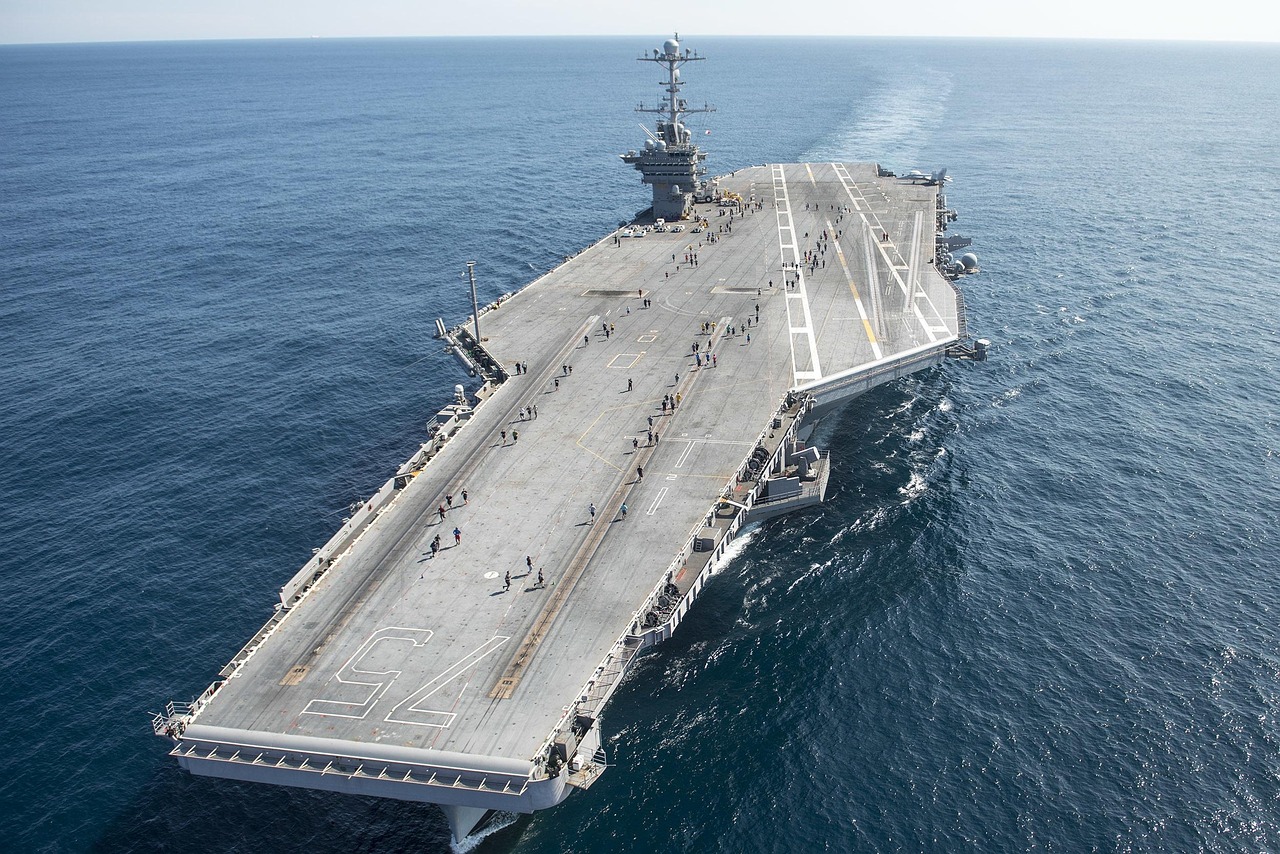
The USS Essex has taken a significant step forward in naval logistics by successfully utilizing a containerized microfactory to 3D-print first-person view (FPV) drones. This groundbreaking achievement allows for rapid production of drones directly on the ship, eliminating the need for shore resupply and enhancing operational readiness during deployments. The ability to manufacture drones on-demand represents a pivotal shift in how naval forces can sustain and adapt their capabilities in real-time.
Traditionally, naval logistics have relied heavily on extensive supply chains and resupply missions, which can be time-consuming and vulnerable to disruptions. However, with the introduction of 3D printing technology aboard the USS Essex, service members can now produce essential equipment and drones as needed. This capability not only reduces logistical footprints but also empowers sailors to respond swiftly to evolving operational requirements.
The successful production of 12 FPV drones aboard the Essex highlights the Navy's commitment to innovation and modernization in naval operations. These drones can be deployed for a variety of missions, including reconnaissance, surveillance, and target acquisition, thereby enhancing the ship's overall operational effectiveness. As the Navy continues to explore the integration of advanced technologies, the potential for 3D printing onboard ships could revolutionize not just drone manufacturing but the entire logistics process.
As the demand for unmanned systems grows in modern warfare, the Navy's investment in 3D printing technology is a crucial step towards maintaining a competitive edge. This initiative exemplifies how the military can leverage advancements in technology to improve mission capabilities and operational flexibility. The implications of this technology extend beyond the USS Essex, as other vessels in the fleet may soon adopt similar practices to enhance their logistics and operational readiness.