Air system · Drone Swarm Command and Control Platform
Atlas Swarm System
Swarm Coordination / Autonomous Multi-UAV Control / Strike / ISR
Also known as: Atlas drone swarm / Chinese 96-drone swarm / PLA swarm C2
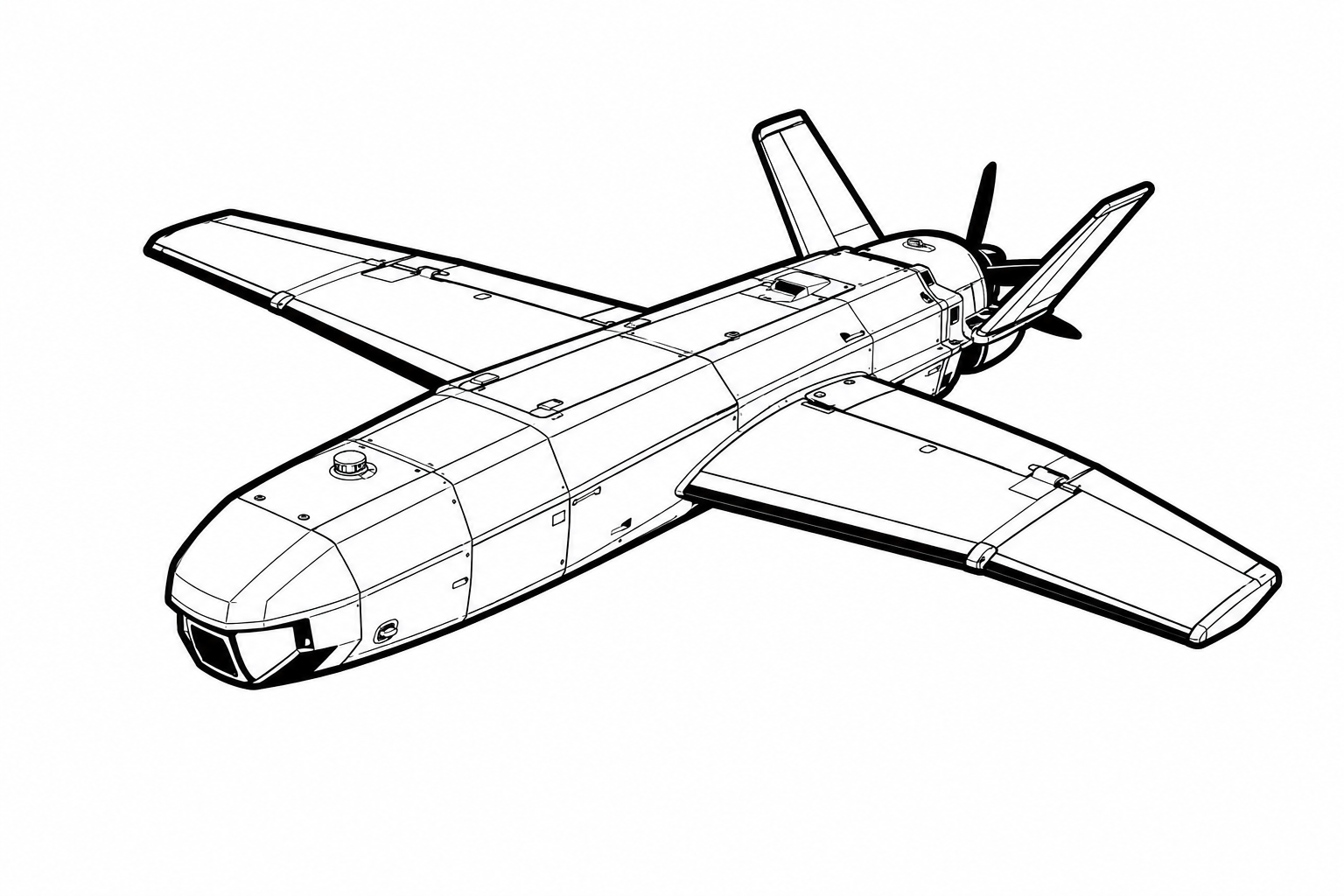
Atlas Swarm System overview
Chinese defense-media and exhibition accounts describe the Atlas Swarm System as an AI-assisted command-and-control concept intended to coordinate large numbers of unmanned aerial vehicles under a single human supervisor. Those accounts say Atlas can manage up to 96 drones by assigning mission tasks, deconflicting flight paths, redistributing objectives after simulated losses, and maintaining swarm behavior when individual communications links are disrupted. The reports describe a human operator providing mission intent and authorization, but they do not establish the software architecture, autonomy boundaries, or operational rules in an independently verifiable way.
A March 2026 Chinese-media demonstration was presented as a 96-drone formation conducting a simulated approach against a notional naval surface group. The same reporting attributed EO/IR reconnaissance, communications relay, strike, multi-vector approach, and task reassignment to different aircraft. These are reported demonstration behaviors: available coverage does not establish that a combat formation performed them, that the drones carried operational weapons, or that the system can reproduce the scenario under contested communications and electronic warfare.
Defense analysts have discussed Atlas-like swarm control as a potential way to create more simultaneous targets than a point-defense system can engage. A 96-drone swarm under single-operator control could theoretically complicate a surface combatant's defenses at a lower cost than a conventional missile salvo, but that is a planning implication, not an observed combat result. Chinese public presentation of the system has also been interpreted by some observers as strategic signaling toward the United States and Taiwan; that interpretation is not evidence of PLA fielding or a contract.
Chinese defense-media coverage in March 2026 described an Atlas demonstration and showed a large coordinated swarm, while China Military Bugle presented the system as an operationally relevant concept. Those reports do not provide an independently audited software architecture, fielding decision, procurement contract, initial operational capability, delivery schedule, or proof that every advertised behavior has been demonstrated under combat conditions. The 96-aircraft figure and any lethal mission implications should therefore be read as attributed demonstration claims, not as confirmation of an operational PLA formation.
Armament
Dependent on controlled drone types; system itself is C2 infrastructure
Development and operational timeline
- Chinese defense reporting dated Atlas Swarm System development to this period and associated coordination work with CETC
- Chinese reporting described an initial 12-drone coordination test with task assignment and collision avoidance
- Chinese reporting described a 32-drone swarm demonstration and coordinated patrol behavior
- Chinese reporting described a 64-drone test with target assignment and simulated-loss task redistribution
- Chinese reporting attributed a simulated saturation profile and strike-payload integration to Atlas
- Chinese reporting described a naval-target simulation involving an Atlas swarm and a moving ship target
- Chinese reporting described electronic-warfare roles for some swarm members and strike roles for others
- Chinese defense reporting claimed a 96-drone configuration and single-operator coordination; independent validation is unavailable
- Chinese reporting described a 96-drone demonstration exercise for senior military observers; no combat use was established
- Chinese defense media reported a public Atlas reveal and a claimed 96-drone single-operator demonstration
- Latest public reporting still describes a demonstration capability; no authoritative operational unit or complete technical specification has been confirmed